There’s something truly rejuvenating about immersing yourself in warm, soothing waters or stepping into a steamy sauna after a long day. Hot springs and saunas have been cherished for centuries, not just for relaxation but also for their remarkable health benefits, from improving circulation to easing muscle tension.
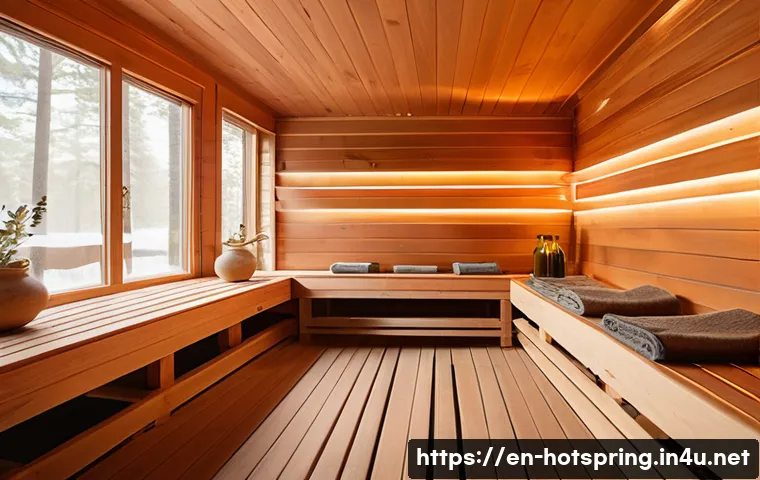
Whether you’re seeking a peaceful retreat or a natural remedy to boost wellness, these age-old practices offer a perfect escape from the daily grind. Many people swear by the calming effects and the mental clarity that follows a session.
Curious about how exactly these experiences can enhance your well-being? Let’s dive deeper and explore the fascinating world of hot springs and saunas together!
Unlocking the Body’s Natural Healing Through Warm Immersion
How Warm Water Stimulates Circulation
Warm water, whether from a natural mineral spring or a carefully heated bath, has this incredible ability to enhance blood flow throughout your body. When you soak in warm water, your blood vessels dilate—a process called vasodilation—which helps to improve circulation and oxygen delivery to muscles and organs.
From my own experience, after spending just 20 minutes in warm water, I felt a noticeable lightness in my limbs, as if all the tension and sluggishness had melted away.
This increase in blood flow also aids in flushing out toxins, supporting your body’s natural detox mechanisms. It’s almost like giving your cardiovascular system a gentle workout without even breaking a sweat.
Muscle Relaxation and Pain Relief Benefits
One of the most immediate perks of soaking in warm waters is the soothing relief it offers to aching muscles and joints. The heat penetrates deep, calming inflammation and loosening tight muscles, which can be a lifesaver after a long day of sitting or strenuous activity.
Personally, after a tough workout, immersing myself in warm water or sitting in a heated environment has dramatically sped up my recovery time. The calming warmth encourages muscles to relax, reducing spasms and stiffness.
It’s a natural way to manage chronic pain conditions like arthritis or fibromyalgia without reaching for medication.
Psychological Comfort and Stress Reduction
Beyond the physical perks, the warmth envelops you in a cocoon of comfort, which can be incredibly soothing for the mind. The quiet, warm environment encourages relaxation and mindfulness, helping to lower cortisol—the stress hormone—while boosting serotonin levels.
I’ve noticed that after just one session, my mental fog lifts, and I’m able to think more clearly and calmly. This mental clarity often lasts well beyond the soak itself, making it easier to tackle the rest of the day or unwind before bedtime.
It’s a holistic experience that nurtures both body and mind.
Harnessing Heat for Detoxification and Immune Boosting
Sweat as a Natural Detox Pathway
Sweating is one of the body’s primary ways to eliminate toxins, and heat exposure in saunas or hot tubs can trigger this cleansing process. When you sit in a hot environment, your body works hard to cool down by producing sweat, which carries out impurities like heavy metals and environmental chemicals.
From what I’ve observed and read, regular sessions can support your liver and kidneys by easing their detox workload. The sensation of sweating it out might feel intense at first, but it leaves you with a refreshed, lighter feeling afterward.
Strengthening the Immune System
Heat exposure also seems to give the immune system a gentle boost. The temporary rise in body temperature mimics a fever, which is the body’s natural defense mechanism against infection.
This “artificial fever” stimulates the production of white blood cells and other immune factors. After incorporating sauna sessions into my weekly routine, I noticed fewer colds and quicker recoveries from minor illnesses.
While it’s not a cure-all, this heat-induced immune activation can be a valuable part of a wellness arsenal, especially during cold and flu seasons.
Enhancing Skin Health and Appearance
The heat and sweating don’t just affect internal systems; they also have a noticeable impact on your skin. Increased blood flow nourishes skin cells, while sweating helps clear out pores, reducing the likelihood of breakouts.
Over time, this can lead to a healthier, glowing complexion. I’ve personally found that regular heat sessions help my skin feel more supple and less dry, which is a welcome benefit in dry or winter months.
It’s like giving your skin a natural spa treatment that revitalizes from the inside out.
The Science Behind Heat-Induced Endorphin Release
Understanding Endorphins and Their Effects
Endorphins are neurotransmitters often referred to as the body’s natural painkillers and mood elevators. Exposure to heat, such as in a hot bath or sauna, stimulates the release of these chemicals, creating a euphoric, relaxed feeling.
After a session, many people—including myself—notice a reduction in stress and an uplift in mood, almost like a natural high. This is why heat therapies can be particularly effective for managing anxiety and mild depression.
Heat Therapy vs. Exercise-Induced Endorphins
While exercise is a well-known way to boost endorphins, heat therapy offers a gentler alternative, especially for those who may be limited by physical conditions.
The warmth increases heart rate and mimics some effects of moderate exercise without the joint strain. In my case, on days when I couldn’t get to the gym, a sauna session helped me achieve a similar sense of well-being and relaxation.
It’s a subtle but powerful tool in maintaining emotional balance.
Duration and Frequency for Optimal Endorphin Benefits
To really tap into the endorphin release, consistency matters. Short sessions of 15 to 30 minutes, repeated two or three times a week, tend to yield the best results.
It’s important to listen to your body and avoid overheating, as too much heat can lead to fatigue or dehydration. When done right, the cumulative effect builds resilience to stress and fosters a more positive mindset.
Comparing Different Types of Heat Experiences

Dry Heat Versus Steam Heat
Dry heat environments, like traditional saunas, use hot air to warm the body, whereas steam rooms utilize moist heat to create a more humid atmosphere.
Both have unique benefits: dry heat tends to penetrate deeper and encourage more intense sweating, while steam can be gentler on the respiratory system and beneficial for skin hydration.
Personally, I find steam rooms more comforting during colder months and saunas better for intense detox sessions.
Natural Versus Artificial Heat Sources
Natural hot springs offer a mineral-rich experience that’s hard to replicate with artificial heat sources. These waters often contain elements like sulfur, magnesium, and calcium, which can provide additional therapeutic benefits.
Artificial saunas and hot tubs, while convenient, lack these minerals but allow for controlled temperature and accessibility. If you have access to a natural hot spring, it’s definitely worth the trip for a unique and enriching experience.
Infrared Heat Therapy Explained
Infrared saunas use light to heat the body directly rather than warming the air, allowing for lower temperatures but deeper tissue penetration. This can be beneficial for those who find traditional saunas too intense or uncomfortable.
In my trial runs, infrared sessions felt less overwhelming yet still delivered relaxation and pain relief. It’s an exciting option for anyone looking to diversify their heat therapy routine.
Maximizing Your Heat Therapy Sessions Safely
Hydration Strategies Before and After
One of the biggest lessons I’ve learned is the importance of staying well-hydrated. Heat exposure leads to significant fluid loss through sweat, so drinking plenty of water before, during, and after your session is crucial to avoid dehydration.
I always keep a water bottle nearby and make it a habit to sip regularly. Herbal teas or electrolyte drinks can also help replenish lost minerals.
Optimal Timing and Duration
Finding the right length for your session can be tricky. Too short, and you may not experience the full benefits; too long, and you risk overheating. For most people, 15 to 30 minutes is a sweet spot.
It’s also wise to avoid heat sessions right after heavy meals or intense workouts. I personally prefer to schedule mine in the evening as a way to unwind and prepare for a restful night’s sleep.
Listening to Your Body’s Signals
Heat therapy is deeply personal, and tuning into your body’s responses is key. Dizziness, nausea, or excessive fatigue are signs to step out immediately.
I’ve found that starting with shorter sessions and gradually increasing time helps build tolerance safely. If you have medical conditions, especially heart or respiratory issues, consulting a healthcare professional before beginning heat therapy is essential.
Summary of Key Health Benefits and Considerations
| Aspect | Health Benefit | Recommended Practice |
|---|---|---|
| Circulation | Improves blood flow and oxygen delivery | Soak in warm water 20-30 mins |
| Muscle Relief | Reduces tension and inflammation | Use heat after exercise or strain |
| Detoxification | Eliminates toxins through sweat | Regular sauna sessions 2-3 times/week |
| Immune Boost | Stimulates white blood cell production | Heat exposure 15-30 mins, consistent use |
| Mental Health | Increases endorphins and reduces stress | Combine heat therapy with mindfulness |
| Skin Health | Clears pores, improves complexion | Use steam or sauna regularly |
| Safety | Prevents dehydration and overheating | Hydrate well and monitor session length |
In Closing
Warm immersion offers a natural, soothing way to support both body and mind. From enhancing circulation and easing muscle pain to boosting immunity and improving mental clarity, the benefits are extensive and accessible. By incorporating regular heat therapy into your routine, you can tap into your body’s innate healing powers and enjoy a more balanced, refreshed feeling every day.
Useful Tips to Keep in Mind
1. Always stay well-hydrated before, during, and after heat sessions to prevent dehydration and maintain optimal benefits.
2. Start with shorter sessions and gradually increase duration to allow your body to adapt safely to heat exposure.
3. Choose the type of heat therapy—sauna, steam, infrared, or warm baths—that best suits your comfort and health needs.
4. Avoid heat therapy immediately after heavy meals or intense exercise to reduce the risk of discomfort or overheating.
5. If you have underlying health conditions, especially heart or respiratory issues, consult a healthcare professional before beginning heat therapy.
Key Takeaways for Safe and Effective Heat Therapy
Heat immersion is a powerful tool for improving circulation, relieving muscle tension, detoxifying the body, and enhancing mental well-being. However, safety is paramount: proper hydration, listening to your body’s signals, and moderating session length are essential to avoid adverse effects. Selecting the right heat modality and maintaining consistency will help you maximize benefits while protecting your health. Always prioritize your comfort and seek medical advice when needed to ensure a positive and restorative experience.
Frequently Asked Questions (FAQ) 📖
Q: What are the main health benefits of regularly visiting hot springs or using a sauna?
A: Regular visits to hot springs or saunas can significantly boost your health by improving blood circulation, which helps deliver oxygen and nutrients more efficiently throughout your body.
The heat also relaxes muscles and eases tension, making it great for those with chronic pain or stiffness. Many people notice reduced stress levels and better sleep after sessions, thanks to the calming effects on the nervous system.
Personally, after a few sauna sessions, I found my energy levels more balanced and my mind clearer, which made daily tasks feel less overwhelming.
Q: How long should I stay in a sauna or hot spring to get the best benefits without overdoing it?
A: It’s usually best to start with shorter sessions, around 10 to 15 minutes, especially if you’re new to saunas or hot springs. Your body needs time to adjust to the heat, and staying too long can cause dehydration or dizziness.
After your initial sessions, you might extend the time to about 20 minutes, but always listen to your body. I’ve learned that stepping out when you start feeling lightheaded or too warm is crucial.
Also, drinking plenty of water before and after helps maintain hydration and maximizes the benefits.
Q: Are there any risks or precautions I should be aware of before using hot springs or saunas?
A: While hot springs and saunas are generally safe for most people, there are a few important precautions to keep in mind. If you have heart conditions, high blood pressure, or are pregnant, it’s wise to consult with your doctor first because the heat can put extra strain on your cardiovascular system.
Also, avoid alcohol before or during your session, as it increases dehydration risk. I once felt dizzy after mixing sauna time with a drink, so now I always stay clear of alcohol.
Lastly, make sure to cool down gradually and avoid extreme temperature changes immediately after a session to prevent shock to your body.