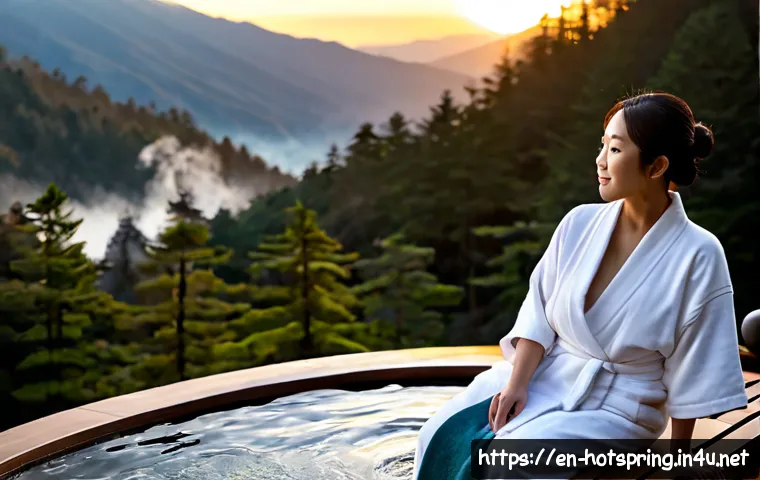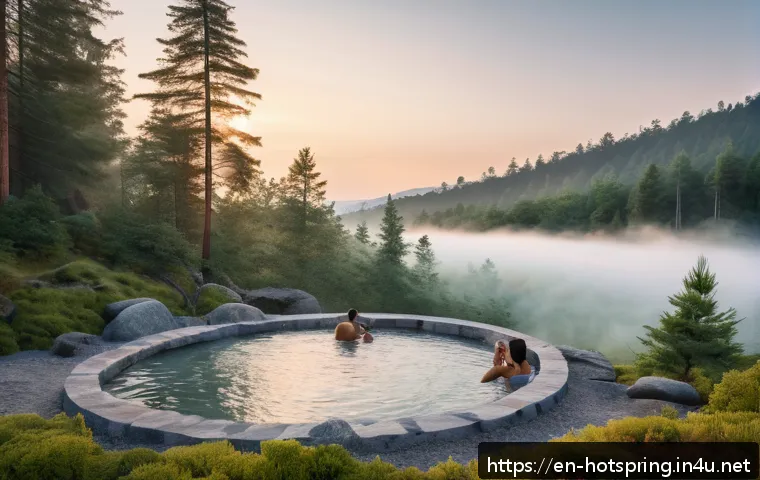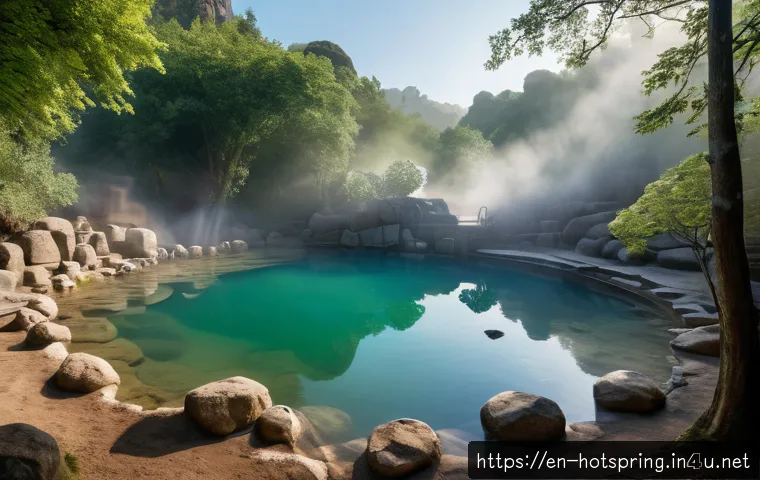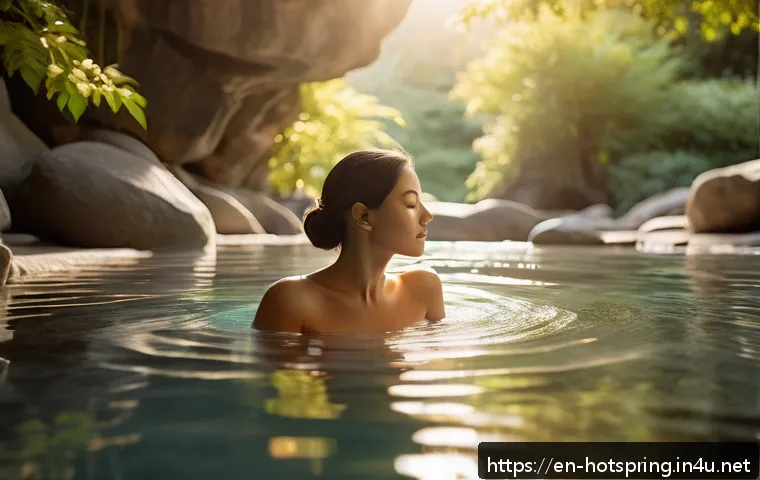
As wellness trends continue to evolve, more people are seeking natural ways to enhance their health and vitality. Thermal springs have surged in popularity, offering a timeless yet refreshing approach to self-care that blends relaxation with therapeutic benefits.
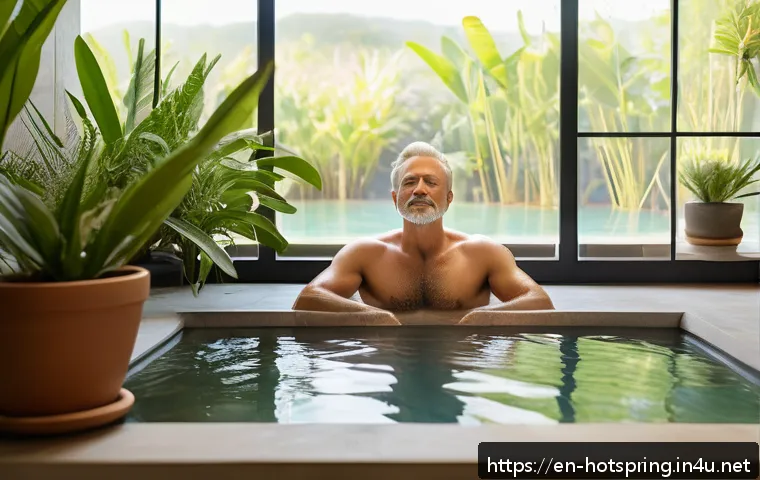
Whether you’re looking to ease muscle tension or boost your skin’s radiance, these mineral-rich waters provide a unique experience that modern wellness routines often overlook.
Having explored various methods myself, I can attest to how transformative a soak in thermal springs can be. Let’s dive into why these natural wonders might just be the missing piece in your wellness journey.
Unlocking the Power of Mineral-Rich Waters
The Science Behind the Soak
Understanding what happens when you immerse yourself in mineral-rich water is fascinating. These natural waters often contain a blend of minerals like magnesium, calcium, and potassium, each playing a crucial role in supporting bodily functions.
For instance, magnesium is known to relax muscles and reduce inflammation, which can be a blessing after a strenuous workout or a stressful day. When absorbed through the skin, these minerals can penetrate deeply, promoting better circulation and detoxification.
From my experience, spending just 20 to 30 minutes soaking can lead to a noticeable decrease in muscle soreness and an overall feeling of relaxation that lasts well beyond the bath.
How Temperature Influences Your Body
The temperature of these waters is not just about comfort; it directly impacts your physiology. Warm water encourages blood vessels to dilate, which increases blood flow and helps reduce stiffness in joints.
Conversely, cooler thermal pools can invigorate your nervous system and provide a refreshing boost. Personally, alternating between warm and cool soaks has been a game-changer for my energy levels and mood.
It’s like giving your body a gentle reset that you can’t quite achieve through other wellness practices.
Choosing the Right Mineral Composition for Your Needs
Not all mineral waters are created equal, and depending on your wellness goals, some compositions may be more beneficial than others. For example, sulfur-rich springs are reputed for skin-cleansing and anti-inflammatory effects, making them ideal for those dealing with skin conditions or arthritis.
Meanwhile, bicarbonate-rich waters can be excellent for improving digestion and soothing the nervous system. When I planned my visits, I found it helpful to research the mineral profile beforehand and match it with what my body was craving at the time.
Creating a Ritual Around Natural Immersion
Setting the Mood for Maximum Relaxation
Turning a soak into a ritual can amplify its benefits. Think beyond just dipping into the water—consider the environment, your mindset, and what you bring along.
Soft lighting, calming music, and even aromatherapy can transform a simple soak into a deeply restorative experience. I’ve noticed that when I take time to mentally prepare and create a soothing atmosphere, my stress levels drop faster, and the sense of renewal lasts longer.
Timing and Frequency for Lasting Effects
How often you indulge in these waters matters. While a single session can be rejuvenating, regular visits or home-based soaking routines can build cumulative benefits.
From my trial and error, soaking two to three times a week strikes the perfect balance between giving the body time to recover and maintaining ongoing wellness.
Additionally, the timing of your soak—whether morning to kickstart your day or evening to wind down—can tailor the experience to your lifestyle needs.
Incorporating Breathing and Mindfulness
Combining soaking with mindful breathing techniques can elevate the physical benefits to a whole new level. Deep, intentional breaths help oxygenate your blood and calm the nervous system.
I like to practice slow diaphragmatic breathing while soaking, which enhances relaxation and helps me stay present in the moment. This simple pairing has made my soaks feel less like a routine and more like a meditative escape.
Skin Nourishment and Natural Glow Boost
How Minerals Support Skin Health
Mineral waters are like a natural spa treatment for your skin. Elements like silica and sulfur have been shown to improve skin barrier function, enhance hydration, and even promote healing.
After spending time in mineral-rich baths, my skin feels softer, more supple, and noticeably brighter. It’s a subtle glow that no synthetic product has quite matched.
This is because these minerals work on a cellular level, encouraging skin regeneration and reducing inflammation.
Dealing with Common Skin Issues
People suffering from conditions like eczema, psoriasis, or acne often find relief through mineral water therapies. The anti-inflammatory and antibacterial properties of certain springs can soothe irritated skin and reduce redness.
From talking with others and trying it myself, these waters offer a gentle alternative to harsh topical treatments, especially for sensitive skin types.
However, it’s important to note that results can vary, and consulting a dermatologist before making it a regular practice is wise.
Post-Soak Skincare Tips
To maximize the benefits of soaking, follow up with a simple skincare routine that locks in moisture. After drying off, applying a natural moisturizer or mineral-rich oils can help seal in hydration.
I’ve found that using products with ingredients like jojoba or rosehip oil complements the mineral bath by nourishing and protecting my skin further. Also, drinking plenty of water post-soak is crucial to replenish internal hydration and support detoxification.
Holistic Impact on Mental Well-Being
Stress Reduction Through Sensory Immersion
The combination of warm water, mineral absorption, and quiet surroundings creates an ideal setting for stress relief. Personally, I’ve noticed a significant drop in my anxiety levels after soaking sessions, even when life feels overwhelming.
The warm embrace of the water coupled with the subtle scents and sounds around you helps calm the mind and releases tension stored in the body.
Enhancing Sleep Quality Naturally

A soak before bedtime can be a natural sleep aid. The rise and then gradual fall in body temperature after exiting the warm water triggers melatonin production, facilitating deeper, more restorative sleep.
After integrating evening soaks into my routine, I experienced fewer restless nights and woke up feeling more refreshed. This natural method beats relying on sleep aids and fosters a healthier circadian rhythm.
Boosting Mood with Regular Immersion
Beyond just relaxation, soaking in mineral-rich water has a positive effect on mood and mental clarity. The sensory experience, combined with physiological changes, encourages the release of endorphins and serotonin.
I’ve felt clearer-headed and more optimistic after regular sessions, which has improved my overall outlook and productivity. It’s a simple yet powerful way to nurture your mental health.
Understanding Safety and Practical Considerations
Who Should Approach with Caution
While mineral soaks are generally safe for most people, certain conditions require caution. Pregnant women, individuals with heart conditions, or those with open wounds should consult their healthcare provider before indulging.
I learned this the hard way when a friend with sensitive skin had a mild reaction after a sulfur-rich soak. Being informed and cautious ensures the experience remains positive and beneficial.
Hydration and Duration Guidelines
One thing I always remind myself of is to stay hydrated before, during, and after soaking. Warm water can sometimes cause dehydration, so drinking water is key to maintaining balance.
Also, limiting sessions to 20-30 minutes prevents overheating or skin irritation. These practical tips have helped me enjoy the benefits without any downsides, making soaking a safe and enjoyable habit.
Accessibility and Finding the Right Spot
Not everyone lives near famous mineral springs, but many spas and wellness centers offer mineral baths or treatments that mimic natural waters. I’ve found that even at home, adding mineral salts to a bath can provide some of the benefits, though perhaps not as potent.
Researching local options and reading reviews can guide you to the best experience for your location and budget.
Comparing Popular Mineral Waters and Their Benefits
Variations Across Regions
Different geographic areas produce springs with unique mineral profiles and temperatures, each offering distinct therapeutic effects. For example, waters from volcanic regions tend to have higher sulfur content, while those near limestone formations are rich in calcium and magnesium.
I’ve noticed that each visit to a new location feels like a fresh experience, with subtle differences in how my body responds.
Matching Mineral Profiles to Wellness Goals
Choosing the right spring depends on what you’re aiming to achieve. For muscle relaxation, magnesium-rich waters are ideal; for skin health, sulfur and silica stand out.
Digestive benefits often come from bicarbonate-heavy springs. I keep a mental checklist of what my body needs before deciding where to go, which makes the whole process more intentional and rewarding.
Table: Common Minerals in Natural Waters and Their Effects
| Mineral | Primary Benefit | Typical Source | Personal Experience |
|---|---|---|---|
| Magnesium | Muscle relaxation, anti-inflammatory | Magnesium-rich springs, sea salt baths | Reduced post-workout soreness and tension |
| Sulfur | Skin healing, anti-bacterial | Volcanic springs, sulfur hot springs | Improved skin texture and reduced irritation |
| Calcium | Bone health, skin barrier support | Limestone region springs | Noticeably softer skin and less joint stiffness |
| Bicarbonate | Digestive aid, nervous system calm | Alkaline springs | Better digestion and reduced stress levels |
| Silica | Skin elasticity, anti-aging | Silica-rich mineral waters | Enhanced skin glow and firmness |
In Closing
Mineral-rich waters offer a unique blend of physical and mental benefits that go beyond simple relaxation. Through personal experience, I’ve found that incorporating these soaks into a regular routine can significantly enhance overall well-being. Whether you seek muscle relief, skin nourishment, or stress reduction, the power of natural minerals can be transformative. Embracing this ancient practice with mindful intention makes each immersion truly restorative.
Helpful Information to Know
1. Always check the mineral composition of the water to align it with your specific health needs and goals.
2. Staying hydrated before, during, and after soaking is essential to avoid dehydration and maximize benefits.
3. Limit your soak to 20–30 minutes to prevent skin irritation or overheating.
4. Creating a calming environment with music, lighting, or aromatherapy can deepen relaxation and improve results.
5. Consult a healthcare professional if you have medical conditions such as heart issues, pregnancy, or sensitive skin before using mineral-rich waters.
Key Takeaways
Mineral soaks are a natural and effective way to support muscle recovery, skin health, and mental wellness when practiced thoughtfully. Understanding your body’s needs and the specific minerals involved helps tailor the experience for maximum benefit. Hydration and session duration are critical for safety and comfort. Lastly, combining soaking with mindfulness practices enhances both physical and emotional restoration, making it a holistic wellness ritual worth incorporating into your lifestyle.
Frequently Asked Questions (FAQ) 📖
Q: uestions about Thermal Springs and WellnessQ1: What are the main health benefits of soaking in thermal springs?
A: Soaking in thermal springs offers a range of health benefits, thanks to the mineral-rich waters. Many people find relief from muscle tension and joint pain, as the warm temperatures help increase blood circulation and relax tight muscles.
Additionally, minerals like sulfur and magnesium can promote skin health by detoxifying and nourishing the skin, leaving it softer and more radiant. From my own experience, after just a single session, I noticed reduced soreness and a refreshing sense of calm that lasted well beyond the soak.
Q: Are thermal springs safe for everyone to use?
A: While thermal springs are generally safe and beneficial, certain individuals should exercise caution. Pregnant women, people with cardiovascular conditions, or those with open wounds should consult a healthcare professional before visiting.
The high temperatures can sometimes cause dizziness or dehydration, so it’s important to stay hydrated and limit soaking time to what feels comfortable.
When I first tried a thermal spring, I made sure to listen closely to my body’s signals, which helped me avoid any discomfort.
Q: How often should I visit thermal springs to see noticeable wellness effects?
A: The frequency really depends on your personal health goals and how your body responds. For general relaxation and skin benefits, visiting once or twice a month can be quite effective.
If you’re targeting chronic pain or specific ailments, more regular visits might be helpful, but always balance it with rest and hydration. In my case, making thermal spring visits a monthly ritual helped maintain a steady boost in energy and skin glow, making it a sustainable part of my wellness routine.