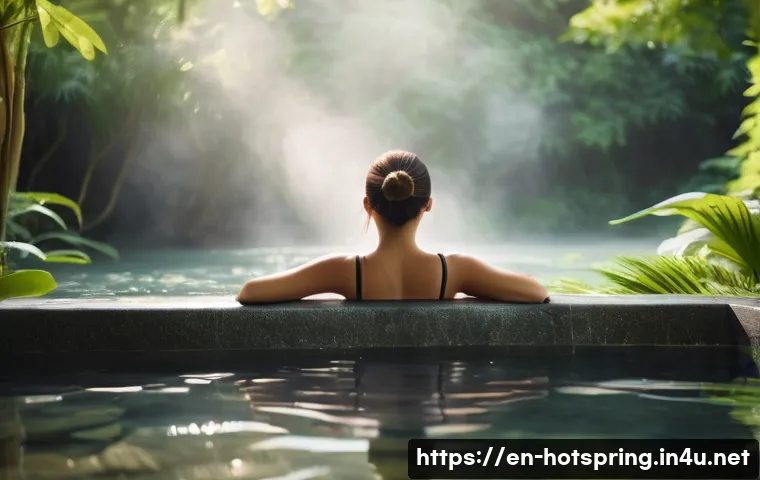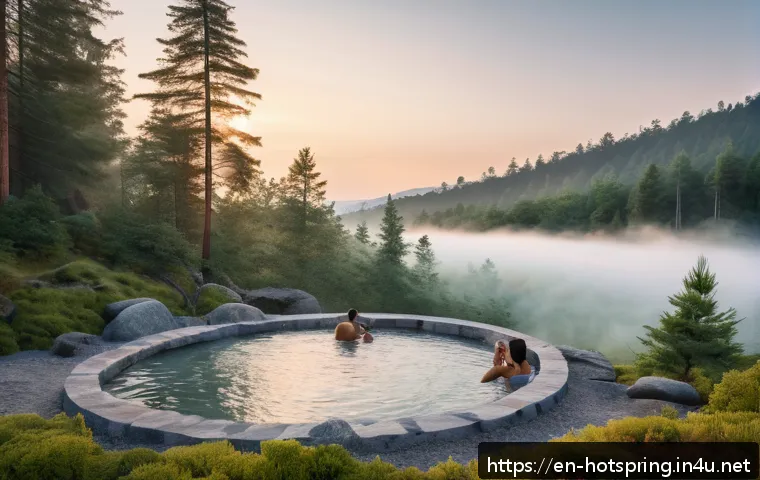
In a world that’s constantly on the move, finding genuine moments to recharge both mind and body has never been more crucial. Recent studies highlight how immersive travel experiences combined with the soothing power of hot springs can significantly reduce stress and boost overall well-being.
Whether you’re craving a mental escape or a physical detox, these natural retreats offer a perfect sanctuary. Join me as we explore why integrating hot springs and travel into your routine could be the ultimate game-changer for your health and happiness.
Ready to unlock a new level of wellness? Let’s dive in.
The Science Behind Soothing Waters and Mental Clarity
How Minerals in Hot Springs Affect Your Body
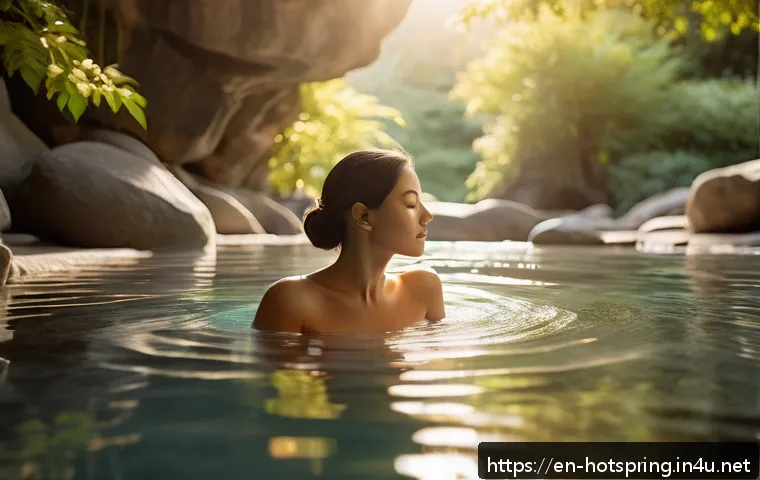
When you soak in a natural hot spring, it’s not just the warm water that does the magic. These waters are rich in minerals like sulfur, magnesium, calcium, and lithium, which have been studied for their therapeutic properties.
For instance, magnesium helps relax muscles and nerves, while sulfur is known for its anti-inflammatory effects. From personal experience, after a 30-minute soak in a mineral-rich spring, I felt my usual shoulder tension melt away, replaced by a calmness that lasted for hours.
Science backs this up, showing that these minerals can improve circulation, detoxify the skin, and even support joint health. It’s like your body gets a natural tune-up while you unwind.
Neuroscience Explains the Stress-Reducing Power of Thermal Baths
Beyond the physical benefits, there’s a fascinating neurological response to hot spring bathing. Immersion in warm water triggers the release of endorphins and oxytocin—our natural “feel-good” chemicals.
This hormonal boost not only alleviates stress but also enhances mood and promotes better sleep quality. I noticed that after a weekend retreat at a thermal spa, I returned to work feeling more focused and resilient against daily pressures.
Studies confirm that regular thermal bathing can lower cortisol levels, the hormone responsible for stress, which helps explain why so many people report feeling mentally refreshed after a hot spring visit.
Comparing Hot Spring Types and Their Unique Benefits
Not all hot springs are created equal, and each type offers distinct wellness advantages depending on their mineral content and temperature. For example, alkaline springs are excellent for skin hydration and detoxification, while acidic springs may help with skin conditions like eczema.
Below is a breakdown of popular hot spring types and what they’re best known for:
| Hot Spring Type | Key Minerals | Health Benefits | Typical Temperature Range |
|---|---|---|---|
| Sulfur Springs | Sulfur, Calcium | Anti-inflammatory, skin healing | 95°F – 104°F (35°C – 40°C) |
| Alkaline Springs | Sodium, Bicarbonate | Skin hydration, detoxification | 98°F – 106°F (37°C – 41°C) |
| Iron Springs | Iron, Magnesium | Improves blood circulation | 90°F – 100°F (32°C – 38°C) |
| Carbonated Springs | Carbon Dioxide | Enhances oxygen delivery, circulation | 85°F – 95°F (29°C – 35°C) |
How Travel Amplifies the Therapeutic Effects of Hot Springs
Breaking Routine to Reset Mind and Body
Travel inherently forces you out of your daily grind, which alone can be a powerful mental reset. When you combine this with time spent in a hot spring, it creates a synergistic effect.
I remember a trip to a mountain spa where the mere change of scenery—from city chaos to tranquil nature—enhanced my ability to truly relax. The mind is less cluttered, and the body more responsive to the healing properties of the water.
This break from routine helps interrupt the cycle of chronic stress, making recovery deeper and more sustained.
Embracing Nature’s Rhythm to Restore Balance
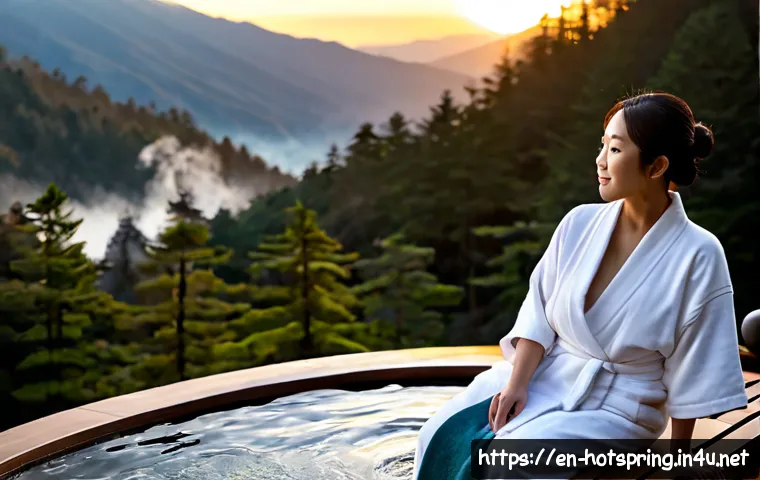
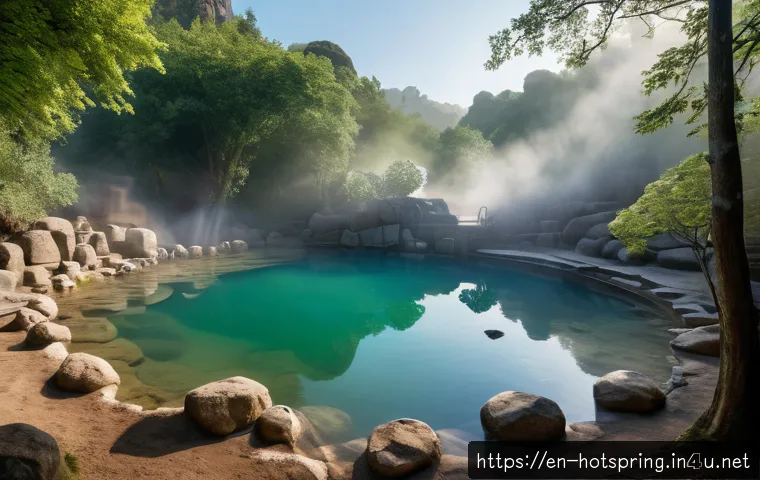
Hot springs are often nestled in serene natural settings—whether it’s a forest, volcanic region, or coastal area. Being immersed in nature while soaking creates a full sensory experience that calms the nervous system.
Research shows that exposure to natural environments lowers heart rate and blood pressure, which complements the physiological relaxation from the thermal waters.
Personally, I’ve found that watching the steam rise against a backdrop of pine trees while soaking makes it easier to let go of anxiety and reconnect with myself on a deeper level.
Creating Rituals for Long-Term Well-Being
Integrating hot spring visits into travel plans encourages the formation of wellness rituals that can last beyond the trip itself. For example, scheduling regular soaks, mindful breathing exercises while bathing, or journaling about the experience can extend benefits.
When I started treating hot spring visits not just as a one-off vacation perk but as a deliberate self-care ritual, I noticed improved sleep patterns and reduced muscle stiffness in the weeks that followed.
This kind of intentionality transforms travel from a brief escape to a meaningful health investment.
Choosing the Right Hot Spring Destination for Your Needs
Factors to Consider: Accessibility, Amenities, and Climate
Picking the perfect hot spring spot isn’t just about finding warm water—it’s about matching your preferences and needs. Accessibility matters; some springs require hiking or off-road travel, which might be invigorating for some but daunting for others.
Amenities like spa services, accommodation quality, and dining options also influence the overall experience. Climate plays a role too; colder regions offer a contrasting hot-cold therapy (think hot spring followed by snow or cold air), which many find invigorating.
When I planned my last trip, I chose a location with easy access and full spa facilities, which allowed me to focus purely on relaxation without logistical stress.
Local Culture and Its Role in Enhancing the Experience
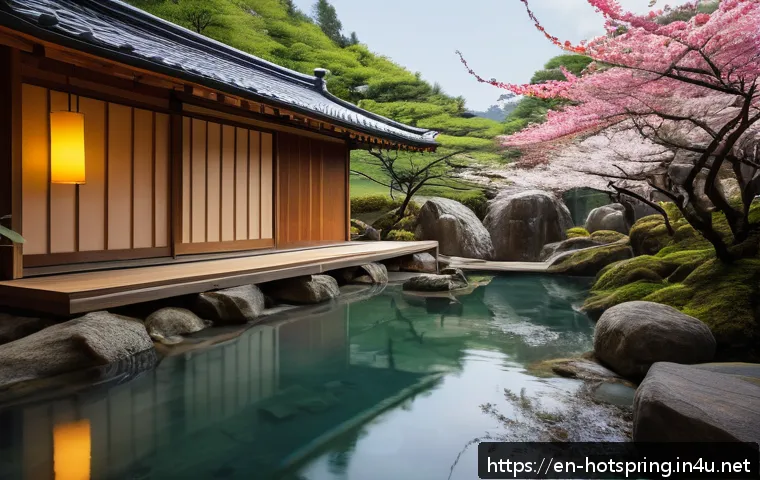
Many hot spring destinations come with rich cultural traditions—like Japanese onsen etiquette or Icelandic geothermal bathing customs—that add layers of meaning and respect to the visit.
Engaging with these local practices can deepen your appreciation and mindfulness, making the experience more immersive. During a visit to a traditional onsen town, I learned about the bathing rituals and even participated in local tea ceremonies afterward, which heightened my sense of connection and calm.
This cultural context often encourages slower, more intentional travel, which is exactly what the mind and body crave.
Seasonal Timing for Optimal Benefits
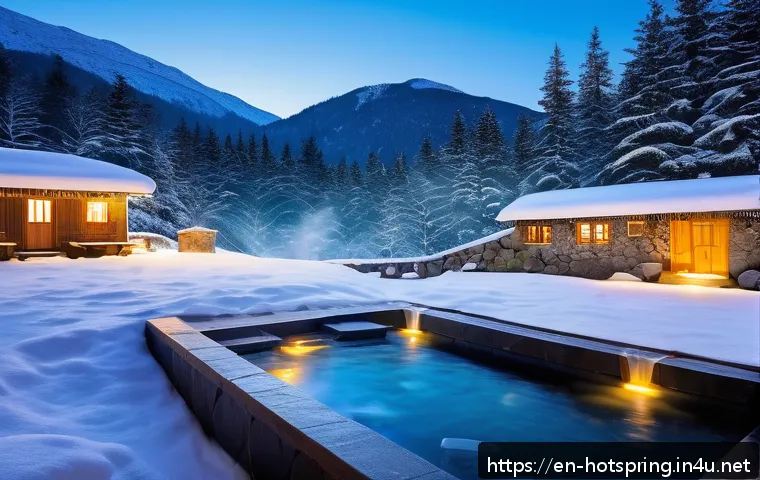
The time of year can dramatically affect your hot spring experience. Winter visits offer a magical contrast of cold air and steaming water, which enhances circulation and invigorates the senses.
Summer trips might be more about gentle soaking and enjoying the surrounding nature. From my own travels, a winter soak under a starry sky was unforgettable for its calming and almost meditative qualities.
Planning your trip according to the season can maximize both physical benefits and the overall enjoyment factor.
The Hidden Wellness Perks Beyond Relaxation
Immune System Boost Through Thermal Exposure
Regular exposure to hot springs can stimulate the immune system by improving blood flow and promoting detoxification. Some studies suggest that thermal waters help increase white blood cell count, enhancing the body’s defense mechanisms.
From experience, after a few hot spring sessions during the flu season, I felt less prone to the usual seasonal bugs that tend to knock me down. This immune boost is an added layer of health that makes these natural retreats worth seeking out.
Mindfulness and Meditation Enhanced by Natural Surroundings
Hot springs provide a perfect environment for mindfulness practices. The gentle warmth, natural sounds, and serene views create a sensory cocoon that encourages present-moment awareness.
I often find myself slipping into spontaneous meditation while soaking, simply focusing on the sensation of water and breath. This mental stillness reduces anxiety and sharpens mental clarity, making the hot spring experience a powerful tool for emotional regulation.
Improved Sleep Patterns Through Thermal Therapy
One of the most immediate benefits I noticed after hot spring visits was improved sleep quality. The heat helps relax muscles and lower tension, while the subsequent cooling down phase signals the body to prepare for rest.
Scientific research supports this, showing that thermal therapy can normalize circadian rhythms and reduce insomnia symptoms. For anyone struggling with sleep, incorporating hot spring soaks—even short ones—can be a natural, drug-free remedy.
Tips for Maximizing Your Hot Spring Experience
Preparing Your Body and Mind Before Soaking
To get the most from a hot spring visit, it helps to prepare properly. Hydration is key—drink plenty of water before and after soaking to avoid dehydration.
Avoid heavy meals or alcohol prior to entering the water, as these can interfere with your body’s response. Mentally, setting an intention for your soak, like stress relief or self-care, primes your brain to embrace relaxation.
I always take a few deep breaths and visualize releasing tension before stepping in, which makes a noticeable difference in how deeply I unwind.
Optimal Soaking Duration and Frequency
While it’s tempting to stay in the warm water for hours, the ideal soak is usually between 15 to 30 minutes. Prolonged exposure can lead to overheating or lightheadedness, especially if the water temperature is high.
For sustained benefits, repeat soaks over several days or weeks are more effective than a single marathon session. On my last trip, I followed this advice and spaced my soaks with cool-down breaks, which left me feeling refreshed rather than drained.
Post-Soak Practices to Extend Benefits
What you do after leaving the hot spring can greatly influence how long the benefits last. Gentle stretching or yoga helps maintain muscle relaxation and flexibility.
Drinking herbal tea or eating antioxidant-rich foods supports detoxification and hydration. I also like to journal briefly about how I feel post-soak, which helps reinforce a positive mental state.
These simple steps help turn a hot spring visit from a fleeting indulgence into a lasting wellness boost.
Integrating Hot Springs into a Sustainable Travel Lifestyle
Balancing Wellness with Eco-Friendly Practices
Many hot springs are located in ecologically sensitive areas, so it’s crucial to practice responsible tourism. Use biodegradable products, minimize waste, and respect local regulations to preserve these natural treasures.
I always pack eco-friendly toiletries and avoid single-use plastics when visiting remote springs. Supporting sustainable businesses not only protects the environment but also enriches your travel experience by connecting you with communities that value their natural heritage.
Supporting Local Economies Through Thoughtful Travel Choices
Choosing hot spring destinations that prioritize local ownership and culture helps ensure that tourism benefits the community. Purchasing local crafts, eating at family-run restaurants, and using guides from the area creates a positive economic impact.
On a recent trip, I discovered how small changes like these fostered a deeper connection to the place and its people, making the wellness journey feel more meaningful and authentic.
Making Hot Spring Visits a Regular Part of Your Self-Care Routine
Even when not traveling far, many regions have local hot springs or thermal baths that can be incorporated into regular self-care practices. Scheduling periodic visits helps maintain the physical and mental benefits over time.
Personally, I try to plan quarterly trips to nearby springs as a way to reset and recharge without the stress of long-distance travel. This approach blends the joy of discovery with the practicality of ongoing wellness maintenance.
In Conclusion
Hot springs offer more than just warm water—they provide a holistic experience that nurtures both body and mind. From mineral benefits to mental clarity, soaking in these natural waters can transform your well-being. Combining travel and mindfulness enhances these effects, creating lasting health improvements. Making hot spring visits part of your lifestyle encourages ongoing self-care and balance.
Helpful Information to Know
1. Always stay hydrated before and after soaking to maximize benefits and avoid dehydration.
2. Limit your soak time to 15-30 minutes to prevent overheating and promote optimal relaxation.
3. Choose hot spring destinations based on accessibility, climate, and available amenities to suit your needs.
4. Embrace local customs and cultural rituals to deepen your connection and enhance the experience.
5. Practice eco-friendly habits and support local communities to preserve natural springs and promote sustainable tourism.
Key Takeaways
Hot springs are a natural source of therapeutic minerals and neurological benefits that support muscle relaxation, stress reduction, and improved sleep. Traveling to these destinations amplifies wellness through environmental immersion and routine disruption. Thoughtful preparation and post-soak practices help extend the positive effects. Lastly, integrating hot spring visits into your regular wellness routine fosters long-term health while encouraging responsible and mindful travel.
Frequently Asked Questions (FAQ) 📖
Q: How do hot springs help reduce stress and improve mental well-being?
A: Hot springs promote relaxation through their warm, mineral-rich waters, which help soothe muscles and calm the nervous system. When you soak in a hot spring, your body releases endorphins—natural mood elevators—that reduce stress and anxiety.
Plus, being immersed in nature while enjoying these springs offers a mental escape from daily pressures, allowing your mind to reset and recharge. From my own experience, even a short soak can leave me feeling refreshed and mentally clearer for days.
Q: Can combining travel with hot spring visits enhance physical health benefits?
A: Absolutely. Traveling to new environments stimulates your senses and breaks the monotony of everyday life, which itself has positive effects on health.
When you pair this with hot spring therapy, the benefits multiply. The minerals in the water can improve circulation, relieve joint pain, and detoxify the skin.
I’ve noticed that after trips involving hot springs, my body feels lighter and more energized, as if the combination helps reset both body and mind on a deeper level.
Q: What should I consider when planning a trip centered around hot springs for wellness?
A: First, research the quality and type of hot springs available—some are rich in sulfur, others in magnesium or calcium, each offering different health benefits.
Also, consider the accessibility and the surrounding environment; a peaceful, natural setting will enhance your relaxation experience. Don’t forget to pace yourself: limit soaking time to avoid dehydration and drink plenty of water.
Personally, I always combine hot spring visits with light hiking or meditation nearby, which maximizes the overall wellness impact.