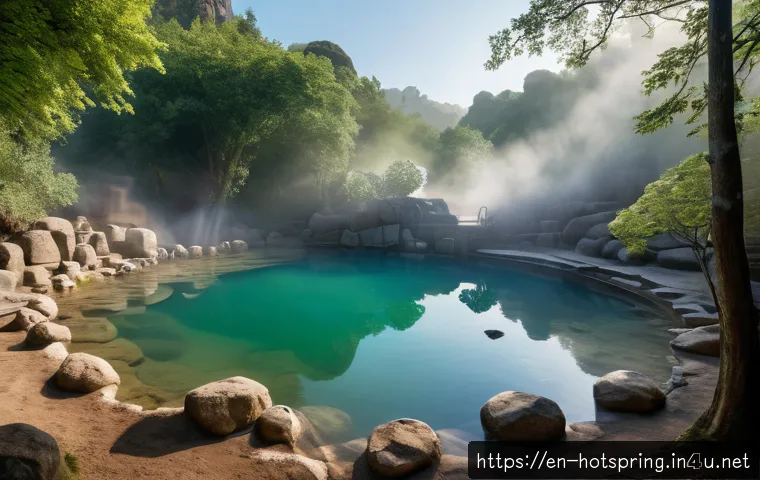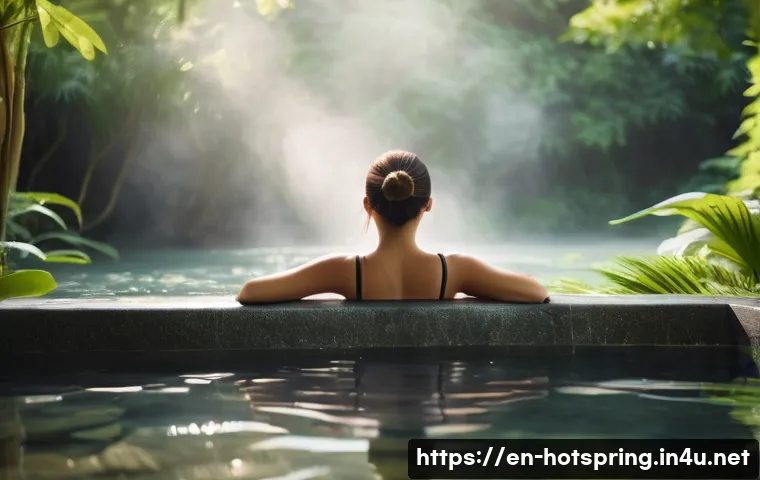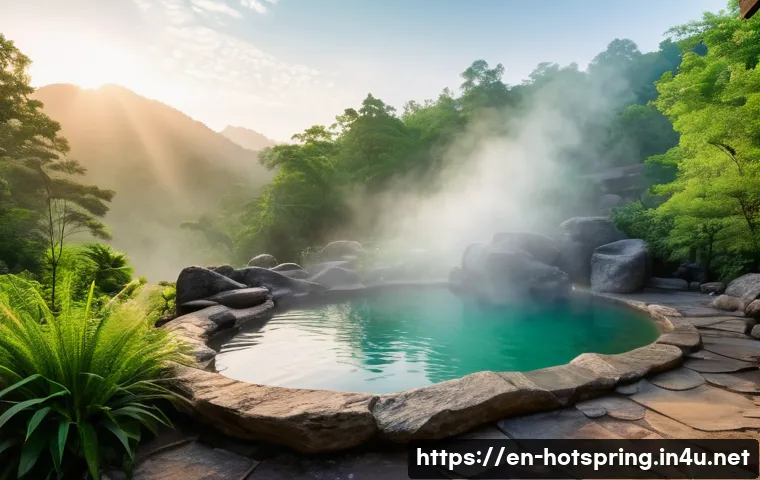
Visiting a hot spring is a wonderful way to relax and rejuvenate, but it’s important to keep a few key things in mind to ensure a safe and enjoyable experience.
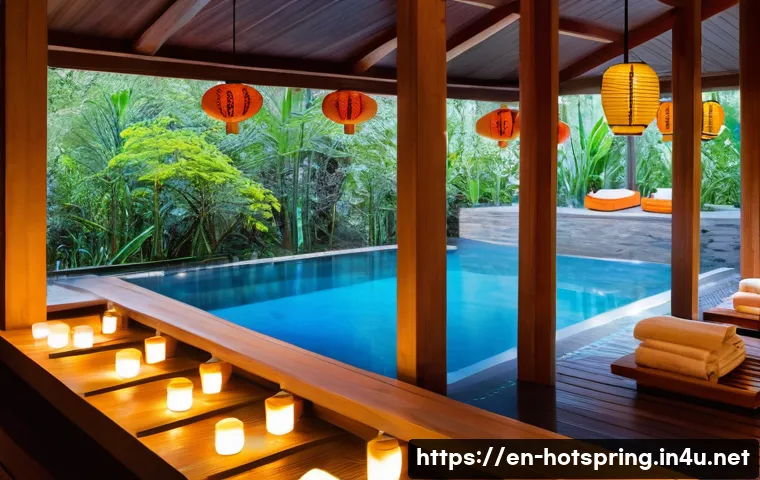
From understanding proper etiquette to being aware of health precautions, taking some time to prepare can make all the difference. Whether you’re a first-timer or a seasoned visitor, respecting the environment and other guests helps create a peaceful atmosphere for everyone.
Plus, knowing how to make the most of your soak can enhance the benefits for your body and mind. Let’s dive into the essential tips and guidelines you should follow before stepping into those soothing waters!
I’ll walk you through everything you need to know so you can enjoy your visit with confidence.
Understanding Hot Spring Etiquette for a Respectful Experience
Why Following Local Customs Matters
Visiting a hot spring is more than just soaking in warm water; it’s a cultural experience that often involves specific customs and etiquette. When you respect these traditions, it shows consideration for other visitors and the local community.
For example, many hot springs require guests to wash thoroughly before entering the pool, ensuring the water stays clean for everyone. Ignoring these rules can not only be disrespectful but might also result in being asked to leave.
I’ve noticed that when I follow these simple customs, the atmosphere feels more serene and welcoming, which truly enhances the whole visit.
Appropriate Attire and Behavior in the Bathing Area
One thing I learned early on is that proper attire is crucial. Most hot springs expect guests to be nude in the bathing areas, with modesty towels used only outside the water or to cover yourself while walking.
Wearing swimsuits is generally discouraged or prohibited. Besides attire, keeping your voice low and avoiding splashing helps maintain a peaceful environment.
It’s also wise to avoid any strong fragrances or lotions before entering, as these can disrupt the water’s natural balance. Practicing this kind of mindfulness really contributes to a respectful and calming shared space.
How to Share the Space Harmoniously
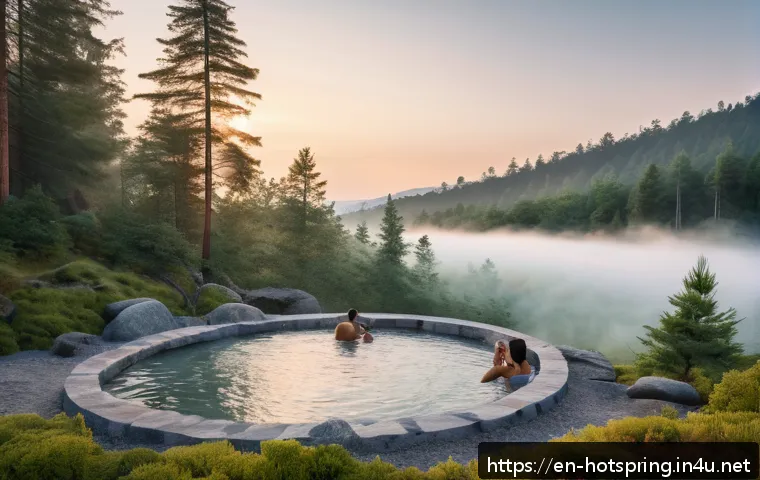
Hot springs often have limited space, so sharing it considerately is key. I’ve found that giving others personal space and avoiding loud conversations or phone use makes the experience pleasant for everyone.
If the spring is crowded, rotating between soaking and resting areas can prevent overcrowding. Also, be aware of any time limits or specific pool rules posted by the facility.
When everyone cooperates, the hot spring becomes a haven of relaxation rather than a chaotic scene.
Health and Safety Tips to Keep in Mind
Assessing Your Physical Condition Before Entering
Not everyone should dive straight into hot springs without consideration. Hot water can raise your heart rate and blood pressure, so if you have cardiovascular issues, skin conditions, or are pregnant, consulting a doctor beforehand is wise.
I remember feeling lightheaded after my first soak because I didn’t hydrate enough or take breaks. Listening to your body and exiting the water if you feel dizzy, nauseous, or uncomfortable is essential.
Staying safe means you can enjoy the benefits without risking your health.
Staying Hydrated and Timing Your Soaks
Because hot springs can cause dehydration, drinking plenty of water before and after your soak is crucial. I always carry a water bottle and sip regularly to avoid headaches or fatigue.
Experts recommend soaking for 10 to 20 minutes at a time, followed by rest periods. This cycle helps prevent overheating and allows your body to adjust gradually.
Overdoing it might feel relaxing in the moment but can lead to exhaustion or fainting later.
Recognizing When to Avoid Hot Springs
Certain conditions call for skipping the hot spring altogether. If you’re feeling sick, have open wounds, or have recently consumed alcohol, it’s best to wait.
Alcohol and heat together can dangerously lower blood pressure. Also, children and elderly individuals should be supervised closely, as they are more sensitive to temperature changes.
Taking these precautions seriously protects you and others from accidents or health complications.
Maximizing the Therapeutic Benefits of Your Soak
Choosing the Right Hot Spring for Your Needs
Not all hot springs are created equal. Some have mineral compositions tailored to specific health benefits like soothing muscle pain, improving skin conditions, or aiding circulation.
When I first researched, I found springs rich in sulfur particularly helpful for my eczema flare-ups. Doing a bit of homework on the spring’s qualities can help you pick one that aligns with your wellness goals.
Many facilities provide detailed descriptions, so don’t hesitate to ask staff for recommendations.
Incorporating Breathing and Mindfulness Techniques
To deepen relaxation, I like to pair soaking with slow, mindful breathing. This not only calms the nervous system but also enhances the feeling of warmth and comfort.
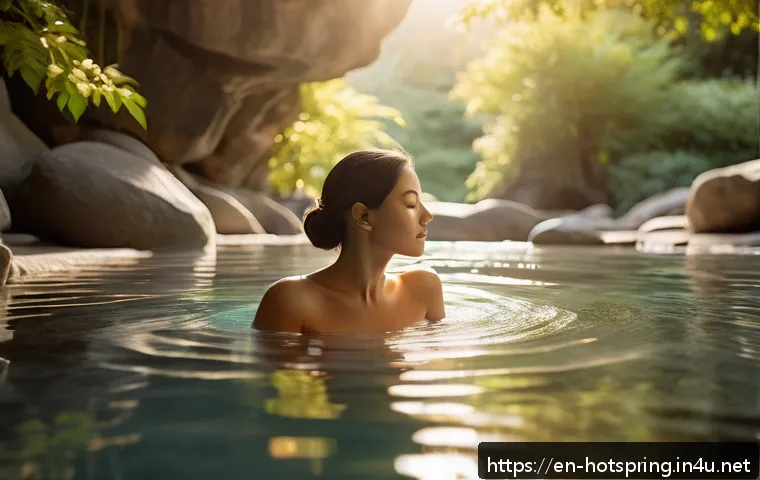
Closing your eyes and focusing on each breath can turn your soak into a mini meditation session. This simple practice helps reduce stress and leaves you feeling rejuvenated far beyond the bath itself.
It’s a great way to unplug from daily worries and truly savor the moment.
Post-Soak Care for Lasting Effects
Once you leave the water, your body continues to benefit from the minerals absorbed during your soak. I always take a gentle shower afterward to rinse off excess minerals but avoid harsh soaps that can strip the skin.
Applying a natural moisturizer keeps my skin soft and hydrated. Also, resting for a while after soaking helps the body fully relax and recover. Staying warm and avoiding sudden temperature changes prevents muscle stiffness and prolongs the soothing effects.
What to Bring for a Comfortable Hot Spring Visit
Essential Items You Shouldn’t Forget
Packing smart can make a huge difference. I always bring a small towel for modesty and drying off, a water bottle to stay hydrated, and flip-flops to protect my feet walking around the facility.
Some hot springs provide towels, but it’s safer to bring your own just in case. Waterproof bags for wet clothes and a change of clothes afterward are also helpful.
Having these items handy lets you relax without worrying about basic needs.

Optional Comforts That Enhance Your Experience
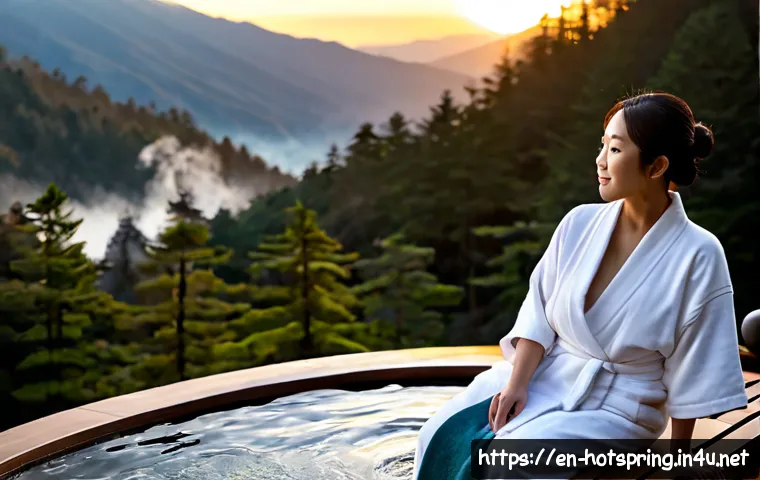
For longer visits, I sometimes bring a lightweight robe or a comfortable cover-up to wear between baths. Some people like to carry a book or waterproof headphones for quiet entertainment during rest periods.
Sunscreen and hats are important if the hot spring has outdoor pools, as prolonged exposure can lead to sunburn. These little extras add a layer of comfort and convenience that makes the whole day feel more luxurious.
What to Avoid Bringing Inside the Bathing Area
It’s best to leave electronics, jewelry, and anything that might get damaged or cause contamination outside the bathing zone. Phones and cameras are usually prohibited to respect privacy.
Also, avoid bringing food or drinks into the water, as they can spoil the natural balance. I’ve seen people accidentally drop items in the pools, which can be a hassle to retrieve and unpleasant for others.
Keeping the bathing area simple and clutter-free helps maintain a clean, relaxing space.
Common Mistakes to Avoid at Hot Springs
Rushing Through Your Visit
One of the biggest errors I’ve noticed is people treating hot springs like quick dips rather than a chance to unwind. Rushing in and out misses the opportunity to reap the full calming and healing effects.
The best experiences happen when you slow down and savor each moment. Give yourself plenty of time to soak, rest, and enjoy the surroundings without feeling pressured to move on quickly.
Ignoring Posted Rules and Guidelines
Every hot spring has its own set of rules, and ignoring them can spoil the experience for everyone. Whether it’s restrictions on food, noise levels, or specific pool usage, these guidelines exist for safety and comfort.
I once saw someone getting reprimanded for jumping into a pool too quickly, which startled others and created a tense atmosphere. Following the posted instructions not only keeps you safe but fosters a respectful environment.
Neglecting Personal Hygiene Before Entering
Skipping the pre-bath shower is a common but serious mistake. Oils, dirt, and sweat left on your body can contaminate the water, affecting everyone’s enjoyment.
I always make sure to wash thoroughly with soap before entering, paying attention to hair and feet. This step might feel like a hassle, but it’s the foundation of good hot spring etiquette and hygiene.
Understanding the Environmental Impact and How to Help
Protecting Natural Hot Spring Ecosystems
Many hot springs are part of fragile natural environments that require protection. Using biodegradable soaps and avoiding chemical products helps preserve the water quality and surrounding flora.
I’ve learned that even small actions, like not littering or staying on designated paths, contribute significantly to conservation efforts. Respecting nature means these beautiful spots will remain pristine for future visitors.
Supporting Sustainable Hot Spring Facilities
Choosing to visit eco-friendly resorts or public springs that prioritize sustainability can make a big difference. Some facilities implement water recycling, use renewable energy, and limit visitor numbers to reduce impact.
I always check online reviews or websites to find places committed to green practices. Supporting these businesses encourages more sustainable tourism and helps protect these treasures.
How You Can Minimize Your Footprint
Simple habits like bringing reusable bottles, minimizing plastic waste, and avoiding single-use items go a long way. Also, being mindful of your energy and water consumption during your visit reflects respect for the environment.
Sharing your knowledge about eco-conscious hot spring practices with friends or social media can amplify awareness and positive change.
| Aspect | Recommended Practice | Why It Matters |
|---|---|---|
| Pre-Soak Shower | Thoroughly wash with soap and rinse | Keeps water clean and hygienic for all guests |
| Soak Duration | Limit to 10-20 minutes per session | Prevents overheating and health risks |
| Hydration | Drink water before and after soaking | Prevents dehydration and dizziness |
| Attire | Use towels outside water; no swimsuits | Maintains traditional etiquette and cleanliness |
| Noise Level | Keep voices low and avoid loud noises | Preserves a peaceful, relaxing atmosphere |
| Health Precautions | Avoid if pregnant, sick, or with open wounds | Protects individual and others from harm |
| Environmental Care | Use biodegradable products and avoid littering | Protects natural ecosystems and water quality |
Closing Thoughts
Visiting a hot spring is a wonderful way to relax and connect with nature, but doing so respectfully makes all the difference. By following local customs, prioritizing health and safety, and caring for the environment, you ensure a memorable and enjoyable experience for yourself and others. Embracing these practices creates a peaceful atmosphere where everyone can truly unwind and benefit from the healing waters.
Useful Tips to Remember
1. Always shower thoroughly before entering to keep the water clean and pleasant for all guests.
2. Limit your soak time to 10–20 minutes per session to avoid overheating and maintain energy.
3. Stay well-hydrated by drinking water before, during breaks, and after your soak.
4. Respect the dress code by using towels outside the pools and avoiding swimsuits in bathing areas.
5. Be mindful of noise levels and behavior to preserve a calm, relaxing environment for everyone.
Key Takeaways for a Great Hot Spring Visit
Understanding and respecting hot spring etiquette enhances your overall experience and shows consideration for others. Prioritizing your health and safety by monitoring your condition and staying hydrated ensures you enjoy the benefits without risks. Being environmentally conscious helps protect these natural treasures for future visitors. Lastly, embracing the peaceful atmosphere by following rules and sharing space thoughtfully creates a welcoming environment that everyone can appreciate.
Frequently Asked Questions (FAQ) 📖
Q: What should I do before entering a hot spring to ensure safety and hygiene?
A: Before stepping into the hot spring, it’s crucial to thoroughly wash and rinse your body. This helps keep the water clean for everyone and reduces the risk of spreading germs.
Also, avoid using lotions or oils before soaking, as they can contaminate the water. If you have any open wounds or skin infections, it’s best to skip the hot spring to prevent irritation or infection.
Taking these steps not only respects other visitors but also protects your own health.
Q: How long is it safe to stay in the hot spring, and are there any health risks to be aware of?
A: Most experts recommend limiting your soak to about 10 to 15 minutes at a time. Staying too long can lead to dehydration or overheating, especially if the water temperature is high.
If you start feeling dizzy, lightheaded, or uncomfortable, it’s a sign to get out and cool down. People with heart conditions, high blood pressure, or pregnant women should consult a doctor before visiting a hot spring.
Drinking water before and after your soak helps maintain hydration and keeps you feeling refreshed.
Q: What are some important etiquette rules to follow when visiting a hot spring?
A: Hot springs are often shared spaces meant for relaxation, so being considerate is key. Keep noise to a minimum and avoid splashing or swimming. Many hot springs require nudity or specific swimwear, so check the rules ahead of time and respect local customs.
It’s also polite to tie up long hair to prevent it from touching the water. Lastly, avoid bringing food, drinks, or cameras into the bathing area to maintain cleanliness and privacy for all guests.
Following these simple guidelines ensures everyone enjoys a peaceful and pleasant experience.