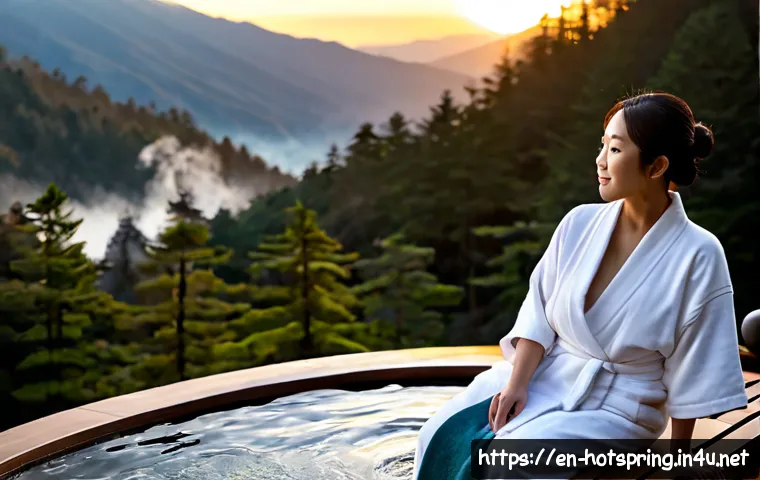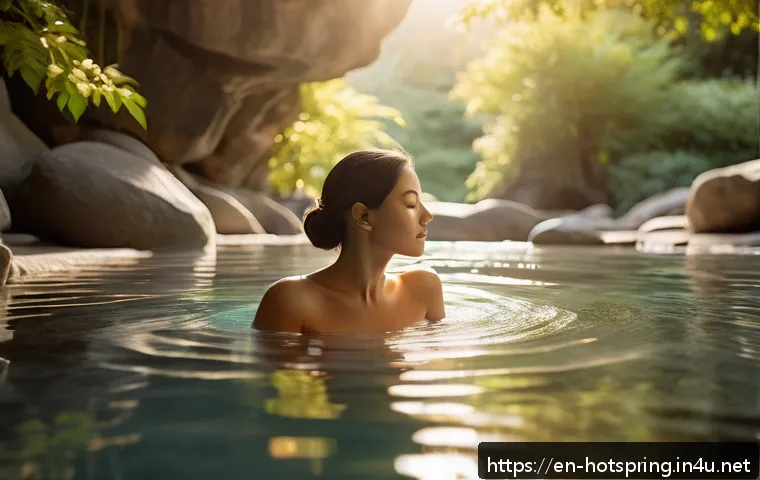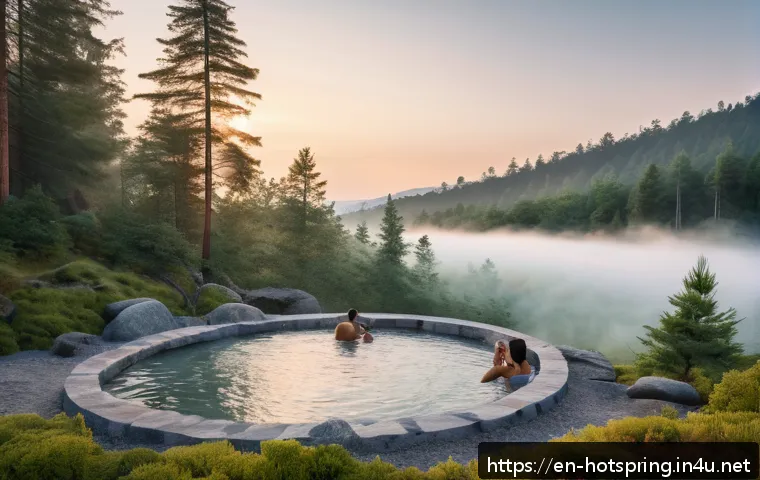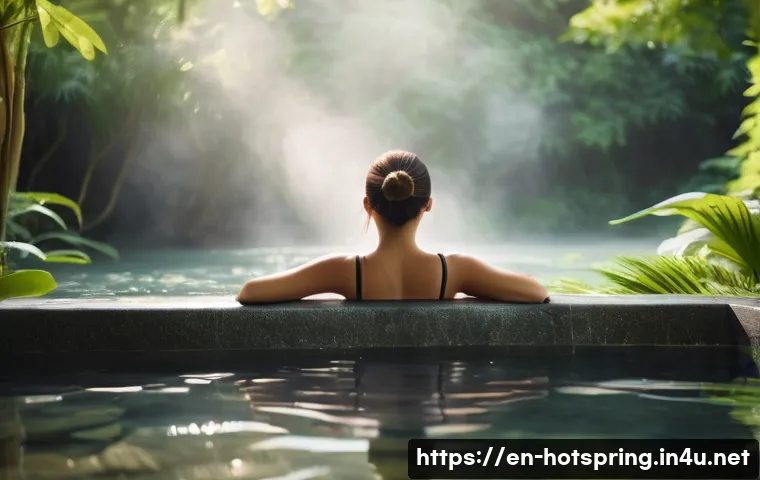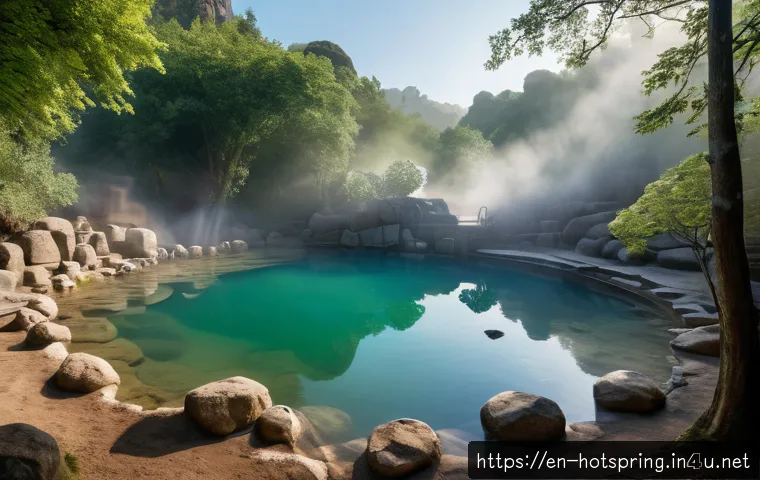
With the rising popularity of wellness travel, hot springs have become a favorite getaway for many seeking relaxation and natural healing. However, enjoying these soothing waters safely is more important than ever, especially as more first-time visitors flock to these serene spots.
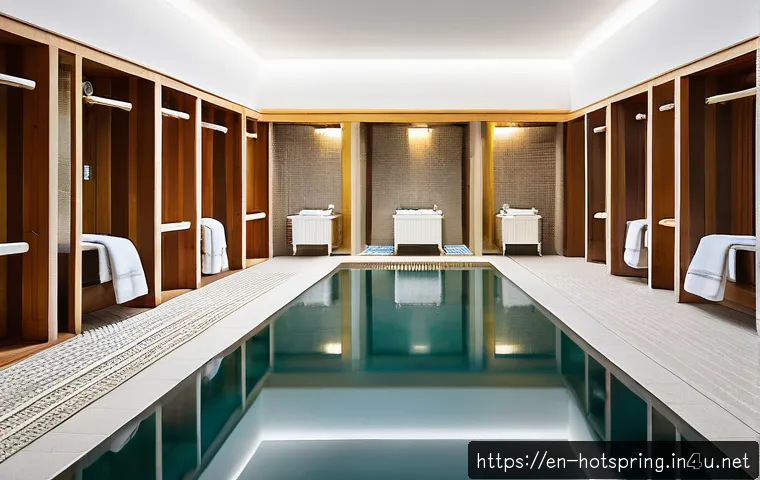
From temperature precautions to understanding local etiquette, knowing essential safety tips can transform your visit into a truly rejuvenating experience without any unexpected risks.
Whether you’re planning a solo retreat or a family outing, being well-prepared ensures peace of mind and allows you to fully embrace the calming benefits.
Let’s dive into the must-know safety guidelines that will help you soak stress-free and make the most of your hot spring adventure.
Understanding Your Body’s Limits in Thermal Waters
Recognizing Heat Sensitivity and Hydration Needs
When you first step into a hot spring, the warmth enveloping your body feels incredibly soothing, but it’s crucial to pay attention to how your body reacts.
Everyone has a different tolerance for heat, and spending too long in hot water can lead to overheating or dehydration. I’ve noticed that even after just 10 to 15 minutes, my skin starts to feel a bit prickly or my heart races slightly, signaling it’s time to take a break.
Drinking plenty of water before and after soaking helps keep your hydration levels balanced, preventing that sluggish, faint feeling that can sneak up on you unexpectedly.
Identifying Warning Signs of Overexposure
It’s easy to get lost in the calming atmosphere, but being alert to signs like dizziness, nausea, or excessive sweating is essential. These symptoms often mean your body is struggling to cope with the heat.
When I felt lightheaded during my first hot spring visit, stepping out immediately and cooling down saved me from a potential fainting episode. If you experience any unusual discomfort, it’s always best to err on the side of caution and exit the water to rest.
How Age and Health Conditions Affect Your Soak
Older adults, young children, and individuals with cardiovascular issues or high blood pressure need to be extra cautious. The intense heat can place additional strain on the heart and blood vessels.
Personally, I always recommend consulting with a healthcare provider before visiting a hot spring if you have any underlying health concerns. For families, keeping a close eye on kids is vital since their bodies can overheat faster, and they might not communicate discomfort clearly.
Choosing the Right Hot Spring for Your Needs
Researching Water Temperature and Mineral Content
Not all hot springs are created equal—some can reach temperatures above 110°F (43°C), which might be too intense for beginners. I found that smaller, community-run springs often offer milder temperatures and a more relaxed vibe compared to large commercial resorts.
Additionally, different mineral compositions can affect your skin and health differently. For example, sulfur-rich springs are famous for skin benefits but might irritate sensitive skin.
Checking online reviews or calling ahead can provide valuable insight into what to expect.
Considering Accessibility and Facilities
Comfort and safety go hand in hand, so it’s worth choosing a hot spring that offers clean changing rooms, showers, and shaded rest areas. My favorite spots have benches where you can sit and cool down between dips, which really enhances the overall experience.
If you’re traveling with elderly family members or small kids, look for places with easy access ramps and lifeguard presence for added peace of mind.
Balancing Crowd Levels for a Peaceful Experience
Hot springs can get quite busy, especially on weekends or holidays. Overcrowding not only diminishes the serene atmosphere but can also increase safety risks like slips or accidents.
When I planned my visits during weekday mornings or off-peak seasons, I enjoyed a much more tranquil soak. Using apps or websites that track visitor numbers can help you pick the best times to visit.
Maintaining Proper Hygiene and Respecting Local Customs
Pre-Soak Showering and Cleanliness
Many first-timers overlook the importance of showering before entering the hot spring, but it’s a key step to keep the water clean for everyone. I personally make it a ritual to rinse off thoroughly, which not only respects others but also helps me feel refreshed and ready to relax fully.
Using only gentle, fragrance-free soaps prevents contaminating the water and preserves the spring’s natural balance.
Understanding Cultural Etiquette and Behavior
Depending on the location, there might be specific customs like quiet zones, clothing requirements, or gender-segregated baths. When I visited a traditional European thermal spa, I learned that maintaining a low voice and avoiding splashing were highly valued.
Familiarizing yourself with local rules beforehand ensures you won’t accidentally offend anyone or get asked to leave.
Proper Use of Towels and Personal Items
It’s common practice in many hot springs to keep your towel out of the water to avoid contamination. I usually place mine on a designated rack or bench nearby.
Also, leaving electronics or jewelry aside reduces the risk of damage or loss. Respecting these small but important details helps maintain a safe and pleasant environment for everyone.
Timing Your Hot Spring Visits for Maximum Benefit
Optimal Duration for Each Soak
Through trial and error, I found that 10 to 20 minutes per session is ideal. Any longer and you might start feeling lightheaded or fatigued. Taking multiple shorter dips with breaks in between allows your body to cool down and absorb the healing effects better.
If you’re new to hot springs, start with shorter sessions and gradually increase as you become more comfortable.
Scheduling Soaks Around Meals and Activities
Eating a heavy meal right before soaking isn’t advisable since digestion requires energy, and the hot water diverts blood flow to your skin. I usually plan my meals either an hour before or after the soak to avoid discomfort or nausea.
Also, avoid alcohol before or during your visit because it increases dehydration risk and impairs judgment.
Adjusting Soak Times Based on Weather and Season
Hot springs can feel different depending on the climate. On chilly days, longer soaks feel cozy and comforting, but in hot weather, it’s easier to overheat quickly.
I’ve learned to be more cautious during summer visits by limiting my time and taking extra hydration breaks. Being mindful of the ambient temperature helps you enjoy the spring safely year-round.
Recognizing When to Seek Medical Attention
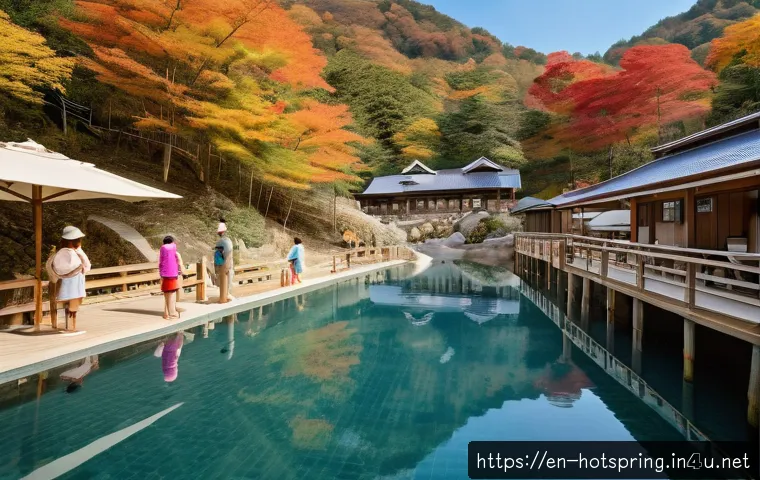
Common Health Issues Related to Hot Spring Use
Sometimes, even with precautions, people might experience heat exhaustion, skin irritation, or allergic reactions to mineral content. I once had a mild rash after visiting a sulfur spring, which cleared up after a few days, but it taught me to test small exposures first.
If you notice persistent redness, swelling, or breathing difficulties, it’s important to stop using the spring immediately.
Emergency Preparedness and First Aid Tips
Many hot springs are located in remote areas, so having basic first aid knowledge and a small kit on hand is beneficial. I always carry antiseptic wipes, band-aids, and a bottle of water.
Knowing how to cool down someone suffering from heat stroke or fainting can make a huge difference. If you’re traveling with others, ensure everyone knows the emergency contact numbers and the nearest medical facility.
Post-Soak Care for Your Skin and Body
After leaving the hot spring, gently rinsing off with fresh water helps remove any residual minerals that could irritate your skin later. Moisturizing is also key because hot water can dry out your skin, leaving it tight or flaky.
I swear by applying a soothing lotion or natural oil right after drying off to keep my skin soft and hydrated.
Essential Safety Overview for a Relaxing Hot Spring Experience
| Safety Aspect | Recommended Practice | Reason |
|---|---|---|
| Heat Tolerance | Limit soak to 10-20 minutes per session | Prevents overheating and dizziness |
| Hydration | Drink water before, during breaks, and after soaking | Maintains body fluid balance and prevents dehydration |
| Pre-Soak Shower | Rinse thoroughly with soap and water | Keeps hot spring water clean and hygienic |
| Health Conditions | Consult doctor if you have heart or blood pressure issues | Reduces risk of heat-related complications |
| Local Etiquette | Follow site-specific rules (quiet zones, towel use) | Ensures respect for culture and other visitors |
| Emergency Plan | Know nearest medical facility and carry first aid kit | Preparedness for accidents or health emergencies |
| Post-Soak Care | Rinse and moisturize skin | Prevents dryness and irritation |
Planning Ahead for a Stress-Free Visit
Booking and Arrival Tips
Booking your visit in advance, especially during peak seasons, can save you from long waits or overcrowding. I usually check if the location offers online reservations or timed entry passes to avoid last-minute hassles.
Arriving early also gives you a chance to acclimate to the environment and find a comfortable spot.
Packing Essentials for Comfort and Safety
Bringing your own water bottle, flip-flops, and a light robe or cover-up has made a huge difference in my hot spring trips. It’s easy to underestimate how much you’ll appreciate simple comforts like a dry towel or sun protection if the springs are outdoors.
Also, keeping valuables to a minimum reduces stress about losing things.
Travel Companions and Group Dynamics
Whether you’re going solo or with friends and family, communicating your plans and safety needs is key. I always share my intended soak times and check in regularly with travel companions to ensure everyone stays safe.
For groups with kids or older adults, designating a buddy system helps keep an eye on everyone’s wellbeing.
Environmental Respect and Sustainability Practices
Minimizing Impact on Natural Hot Springs
Preserving the pristine condition of hot springs is a responsibility we all share. Avoid using lotions or soaps in the water, and never litter. When I switched to biodegradable sunscreen and packed out all my trash, I felt I was giving back to the environment that gave me such a peaceful experience.
Supporting Local Communities and Businesses
Choosing locally owned hot springs or spas helps sustain the area economically and encourages responsible tourism. I’ve found that smaller establishments often provide a more authentic and personalized experience, plus your visit directly benefits the community.
Being Mindful of Wildlife and Surroundings
Many hot springs are nestled in delicate ecosystems. Respecting signs and staying on designated paths prevents damage to flora and fauna. On one trip, I noticed how quiet and careful behavior allowed me to spot birds and small animals I might have otherwise disturbed, making the visit even more memorable.
In Conclusion
Hot springs offer a wonderful opportunity to relax and rejuvenate, but understanding your body’s signals and respecting the environment is key to a safe and enjoyable experience. By paying attention to heat tolerance, hydration, and local customs, you can fully embrace the healing benefits these natural waters provide. With proper preparation and mindfulness, every visit can leave you feeling refreshed and balanced.
Useful Tips to Keep in Mind
1. Always monitor how your body feels during your soak and take breaks to avoid overheating.
2. Drink plenty of water before, during, and after soaking to stay properly hydrated.
3. Shower thoroughly before entering the hot spring to maintain cleanliness for everyone.
4. Research the hot spring’s temperature and mineral content to find the right fit for your needs.
5. Respect local etiquette and environmental guidelines to preserve the natural beauty and culture of the area.
Key Takeaways for a Safe and Enjoyable Hot Spring Visit
Understanding your personal heat tolerance and health conditions is essential before soaking. Hydration and proper hygiene practices help prevent common issues like dehydration and skin irritation. Planning your visit around less crowded times and being aware of local customs enhances your overall experience. Lastly, staying prepared for emergencies and caring for the environment ensures both your safety and the sustainability of these natural wonders for future visitors.
Frequently Asked Questions (FAQ) 📖
Q: What temperature range is safe for soaking in hot springs to avoid overheating or burns?
A: Generally, hot spring water temperatures between 98°F (37°C) and 104°F (40°C) are considered safe for most people. Water hotter than 104°F can cause dizziness, overheating, or even burns, especially if you soak for too long.
It’s best to start with shorter dips, monitor how your body feels, and avoid staying submerged for more than 15-20 minutes at a time. If you have heart conditions, high blood pressure, or are pregnant, consult a doctor before visiting hot springs.
Q: Are there any important etiquette rules I should follow when visiting a hot spring?
A: Absolutely! Respecting local customs enhances your experience and keeps the environment pleasant for everyone. Common etiquette includes thoroughly rinsing off before entering the spring, as cleanliness is crucial.
Avoid wearing swimsuits unless it’s explicitly allowed—many hot springs prefer guests to soak nude. Keep noise levels low to maintain the peaceful atmosphere, and never bring food or drinks into the water.
Also, be mindful of others’ personal space and avoid using phones or cameras to respect privacy.
Q: Can children safely enjoy hot springs, and what precautions should parents take?
A: Children can enjoy hot springs but with extra caution. Since kids are more sensitive to heat, it’s important to choose springs with milder temperatures and limit their soak time to just a few minutes at once.
Always supervise them closely and keep them hydrated. Avoid springs with strong currents or deep pools if your child isn’t a confident swimmer. If your child has any medical conditions, check with a healthcare provider first.
Ultimately, watching for signs of discomfort or overheating will help ensure a safe and enjoyable experience for the whole family.