Hot springs have captivated travelers for centuries, offering more than just a relaxing soak. Each destination brings a unique blend of natural minerals, cultural traditions, and scenic landscapes that transform a simple dip into a holistic experience.
Beyond the therapeutic benefits, these spots often reveal fascinating local stories and customs that enrich your journey. Whether nestled in remote mountain valleys or buzzing resort towns, the allure of hot springs lies in their distinct character and healing charm.
Curious about what sets these destinations apart and how to choose the perfect one? Let’s dive deeper and explore the intriguing world of hot spring travel!
Unearthing the Natural Wonders Beneath the Surface
Geothermal Origins and Mineral Diversity
The magic of hot springs begins far below the earth’s crust, where geothermal activity heats groundwater, infusing it with a rich array of minerals. Depending on the geological makeup of the region, you might find springs loaded with sulfur, silica, calcium, or magnesium, each contributing unique healing qualities.
For example, sulfur-rich springs are often touted for their skin-clearing properties, while silica can leave your skin feeling silky smooth. I’ve personally noticed that soaking in mineral-dense waters not only relaxes my muscles but also leaves a subtle glow on my skin afterward.
This natural mineral cocktail varies widely, meaning every hot spring offers a distinct sensory and therapeutic experience. Exploring these mineral differences can become a fascinating part of your journey, especially if you’re someone who appreciates the nuances of nature’s chemistry.
Temperature and Texture: More Than Just Hot Water
Not all hot springs are created equal when it comes to temperature and water feel. Some may be pleasantly warm, inviting long, leisurely soaks, while others can be almost scalding, demanding quick dips or alternating with cooler pools.
The texture of the water can also differ—some springs feel silky and smooth due to high silica content, while others might have a slight fizz or even a faint smell of minerals.
My own experiences have taught me to gauge a spring’s ideal soaking time by how my skin reacts: too hot, and it feels drying; just right, and it’s incredibly soothing.
This delicate balance between temperature and texture is part of what makes each hot spring visit so unique, turning a simple bath into a ritual of bodily harmony.
The Landscape’s Role in the Hot Spring Experience
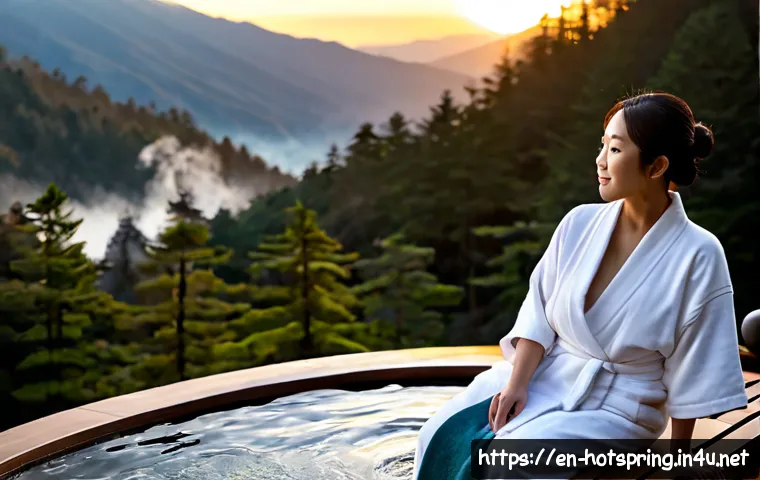
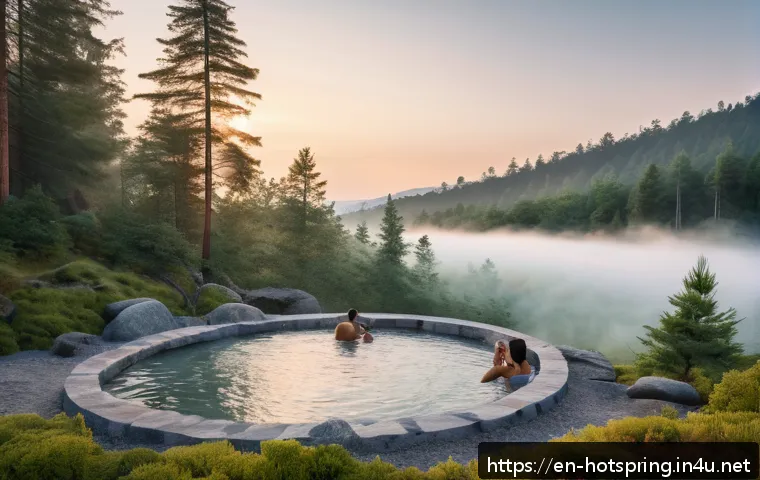
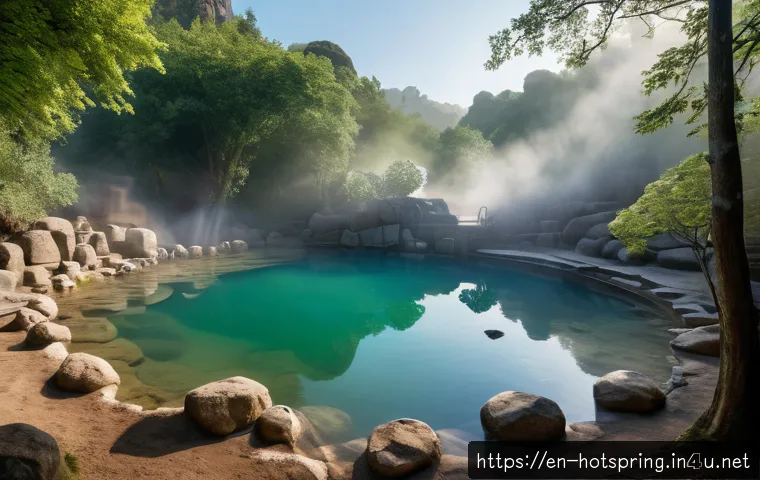
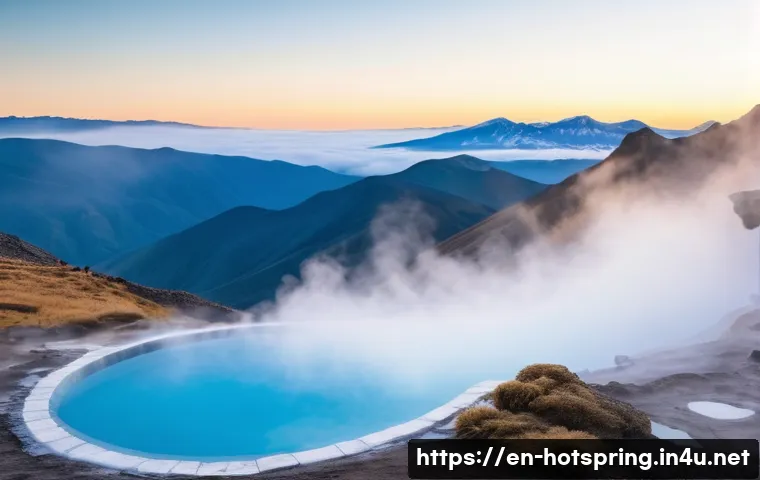
The setting of a hot spring often elevates the entire experience. Whether nestled amid snow-capped peaks, hidden in lush forests, or overlooking serene lakes, the surrounding environment shapes how you connect with the water.
I vividly recall a hot spring perched on a cliffside, where the panoramic views of misty valleys made every moment feel like a scene from a dream. Contrast that with urban springs, where sleek, modern designs blend with natural elements, offering a different but equally compelling vibe.
The landscape not only influences the ambiance but also your sense of escape—sometimes it’s the wild, untouched nature that recharges you, and other times, it’s the convenience and luxury of a city resort that suits your mood.
Bridging Culture and Wellness Traditions
Local Rituals and Bathing Customs
Hot springs are often steeped in cultural traditions that add layers of meaning to the soak. In Japan, the etiquette of onsen bathing includes cleansing before entering and respecting quietude, which transforms the visit into a mindful practice.
I found that adopting these customs deepened my appreciation and allowed me to feel more connected to the local way of life. In Iceland, geothermal pools are social hubs where locals gather to chat and unwind, creating a warm, communal atmosphere.
Experiencing these rituals firsthand is like stepping into a living culture, where wellness is intertwined with respect, social bonding, and even spirituality.
Healing Beliefs Passed Through Generations
Many hot spring destinations are surrounded by legends and folk wisdom, often claiming healing powers for everything from arthritis to stress relief. While scientific studies sometimes back up these claims, the real impact often lies in the belief and intention behind the soak.
I’ve met travelers who swear by certain springs for curing ailments, and local guides who share stories handed down over centuries. This blend of myth and medicine enriches the visit, making it more than just physical healing but a journey into ancient human connection with nature’s gifts.
Cuisine and Community Around Hot Springs
A surprising yet delightful part of hot spring travel is the local food scene. Many onsen towns and geothermal resorts boast unique culinary traditions that complement the wellness experience.
From mineral-rich water used in cooking to local ingredients believed to boost health, meals here often feel like an extension of the healing soak. I recall savoring dishes cooked with spring water that brought out unexpected flavors, along with hearty fare that refueled me after hours in the pools.
Sharing these meals with locals or fellow travelers creates a sense of community and celebration, rounding out the holistic nature of hot spring culture.
Planning Your Visit: Practical Tips and Considerations
Timing Your Trip for Maximum Enjoyment
Choosing when to visit a hot spring can dramatically influence your experience. Many travelers flock to these spots during peak seasons, like winter for snowy mountain springs or summer for alpine escapes.
From my experience, visiting during shoulder seasons often means fewer crowds and a more intimate soak, though weather conditions can be less predictable.
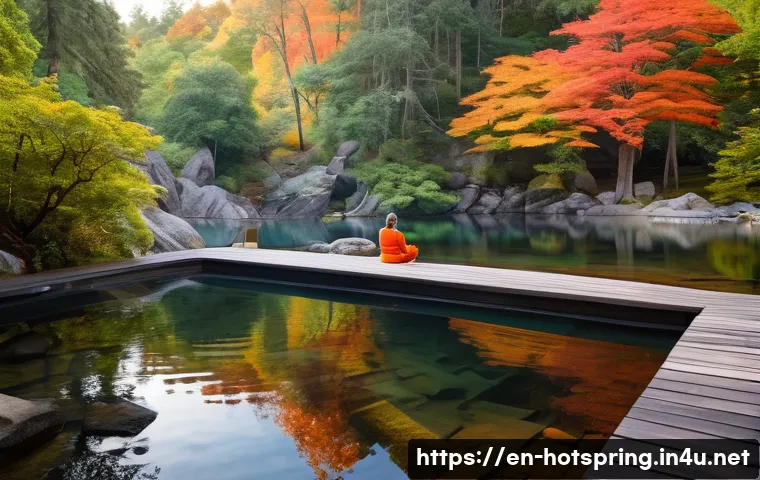
For instance, early spring might offer breathtaking blossoms around the pools, while autumn wraps you in vibrant foliage. Timing your trip according to what you want out of the experience—whether solitude, socializing, or scenic beauty—can make all the difference.
Choosing Between Remote and Accessible Springs
There’s a clear trade-off between remote, off-the-beaten-path hot springs and those located in well-developed resort areas. Remote springs offer raw, untouched beauty and often a deeper sense of escape.
However, they usually require more effort to reach, sometimes involving hiking or navigating rough terrain. On the other hand, resort springs provide convenience, amenities, and often spa services, which can be perfect if you want a hassle-free experience.
I’ve enjoyed both styles, and my advice is to consider your comfort level and travel goals. If you crave adventure and nature immersion, go remote; if relaxation and pampering top your list, a resort spring is ideal.
What to Pack for a Hot Spring Adventure
Packing smartly can elevate your hot spring trip from good to unforgettable. Besides the obvious swimwear and towels, I always bring water shoes for rocky pools, a robe or cover-up for walking between springs, and skincare products to protect and nourish after soaking.
Some springs have strict rules about what can be brought in, so checking ahead is essential. Also, a reusable water bottle helps keep you hydrated, as hot springs can be surprisingly dehydrating.
From personal experience, having a small waterproof bag for valuables and a camera to capture the stunning surroundings is a must-have to remember your journey.
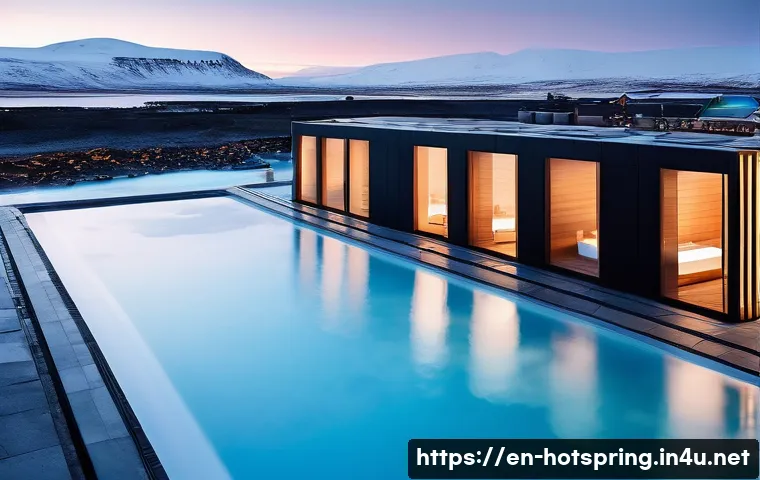
Comparing Popular Hot Spring Destinations
| Destination | Mineral Composition | Unique Feature | Best Season to Visit | Accessibility |
|---|---|---|---|---|
| Blue Lagoon, Iceland | Silica, Sulfur, Algae | Geothermal spa with milky blue waters and lava fields | Year-round, especially winter | Easy, near Reykjavik |
| Banff Upper Hot Springs, Canada | Calcium, Magnesium | Mountain views in the Rockies with well-maintained facilities | Summer to early fall | Moderate, car accessible |
| Jigokudani Monkey Park, Japan | Sulfur-rich water | Wild snow monkeys bathing alongside visitors | Winter | Challenging, requires hike |
| Saturnia Hot Springs, Italy | Calcium and Sulfur | Natural cascading pools in a Tuscan countryside setting | Spring and fall | Moderate, near small towns |
| Rotorua, New Zealand | Sulfur, Silica | Geothermal activity with mud pools and Maori cultural experiences | Spring and summer | Easy, city access |
Maximizing Health Benefits Without Overdoing It
Listening to Your Body’s Signals
While hot springs offer many health perks, it’s crucial to tune into how your body responds. Overstaying in very hot water can lead to dizziness or dehydration, something I learned the hard way on my first trip.
Shorter, repeated soaks with breaks in between often work best. People with certain health conditions, like heart issues or pregnancy, should consult their doctors before diving in.
Personally, I find that alternating between hot springs and cooler pools or showers helps balance the effects and keeps me refreshed throughout the day.
Complementing the Soak with Mindful Practices
Adding meditation, gentle stretching, or deep breathing while soaking can amplify the relaxation and healing effects. I’ve noticed that focusing on the warmth, the sounds of nature, and my breath turns a simple bath into a mini-retreat for both body and mind.
Many hot spring resorts now offer yoga classes or guided mindfulness sessions nearby, which perfectly complement the mineral-rich environment. This holistic approach feels like hitting a reset button on my stress levels and physical tension.
Hydration and Nutrition Post-Soak
After soaking in mineral waters, replenishing fluids and nutrients is essential. Drinking plenty of water is a no-brainer, but I also like to enjoy light, mineral-rich snacks or herbal teas that support detoxification and energy restoration.
Some resorts serve fresh fruit or local herbal infusions that perfectly match the wellness vibe. From experience, skipping this step can leave you feeling drained despite the initial relaxation, so it’s worth making hydration and nutrition part of your hot spring routine.
Innovations Shaping the Future of Hot Spring Tourism
Eco-Friendly and Sustainable Practices
As hot spring tourism grows, many destinations are adopting greener technologies and conservation efforts. From solar-powered heating to strict waste management and water recycling, these initiatives aim to preserve the delicate ecosystems around springs.
I recently visited a resort that emphasized zero waste and organic products, which made me appreciate the balance between luxury and responsibility. Supporting such places ensures that these natural wonders remain pristine for future travelers.
Tech-Enhanced Experiences
Some modern hot spring resorts are integrating technology to enhance guest comfort without compromising the natural feel. This includes apps for booking specific time slots to avoid crowding, digital guides explaining mineral benefits, and even underwater speakers for soothing music.
I tried one such experience and found it surprisingly relaxing to have curated playlists synced with my soak, making the environment feel personalized and immersive.
These innovations hint at a future where tradition meets convenience and creativity.
Blending Wellness with Adventure Tourism
Hot spring destinations are increasingly combining their healing waters with adventure activities like hiking, biking, and wildlife watching. This fusion appeals to travelers who want more than just passive relaxation.
On one trip, after a day of trekking, soaking in a hot spring felt like the perfect reward, blending exhilaration with calm. Resorts that offer this mix create dynamic itineraries that keep you engaged physically and mentally, catering to a growing demand for active wellness vacations.
글을 마치며
Hot springs offer a unique blend of natural beauty, cultural richness, and wellness benefits that few other experiences can match. Whether you seek relaxation, healing, or adventure, these geothermal wonders provide a deeply personal journey. By understanding the science, traditions, and practical tips shared here, you can make the most of every soak. Embrace the harmony of nature and culture as you explore the soothing waters beneath the surface.
알아두면 쓸모 있는 정보
1. Always check the mineral composition of a hot spring before visiting to understand its health benefits and any skin sensitivities you may have.
2. Consider visiting during shoulder seasons to enjoy fewer crowds and a more peaceful atmosphere, enhancing your overall experience.
3. Packing essentials like water shoes, a robe, and skincare products can significantly improve your comfort and post-soak care.
4. Hydration is key—drink plenty of water before and after soaking to prevent dehydration and maximize health benefits.
5. Exploring local customs and cuisine around hot springs enriches your trip, connecting you more deeply with the culture and community.
중요 사항 정리
When visiting hot springs, listen carefully to your body’s signals to avoid overheating or dehydration. Balance your soak times with breaks and cooler dips to maintain comfort and safety. Prioritize eco-friendly resorts that practice sustainability to protect these natural treasures for future visitors. Finally, blending your hot spring experience with mindful activities or nearby adventures can elevate your trip from a simple soak to a holistic wellness retreat.
Frequently Asked Questions (FAQ) 📖
Q: What are the main health benefits of soaking in hot springs?
A: Soaking in hot springs offers a range of health benefits thanks to their rich mineral content and warm temperatures. Many people experience relief from muscle aches, joint pain, and stress after spending time in the soothing waters.
Minerals like sulfur, magnesium, and calcium can improve skin conditions, boost circulation, and promote relaxation. From my own experience, a soak in a hot spring after a long day of hiking not only eased my sore muscles but also helped me sleep better that night.
However, it’s important to stay hydrated and avoid staying too long in very hot springs to prevent overheating.
Q: How do cultural traditions influence the hot spring experience at different destinations?
A: Cultural traditions add a unique and enriching layer to visiting hot springs around the world. For example, in Japan, the onsen experience includes specific etiquette like washing thoroughly before entering the baths and maintaining quiet to respect others’ relaxation.
In Iceland, the geothermal pools often double as social hubs where locals gather to chat and unwind, creating a lively atmosphere. When I visited a traditional European spa town, the rituals around timing, bathing suits, and even the types of pools available made the experience feel like stepping into a different era.
These customs deepen your connection to the place and enhance the overall journey.
Q: What should I consider when choosing a hot spring destination?
A: Picking the right hot spring destination depends on what kind of experience you’re after. If you want solitude and nature, look for remote mountain springs surrounded by pristine landscapes.
For a more social or luxurious vibe, resort towns with spa amenities and local attractions might be better. Consider the mineral composition if you have specific health concerns, and check the season since some springs are best enjoyed in cooler weather.
From personal trips, I’ve found that reading traveler reviews and local guides helped me discover hidden gems that aren’t overcrowded but still offer excellent facilities.
Also, accessibility and nearby accommodations play a big role in making your visit comfortable and memorable.