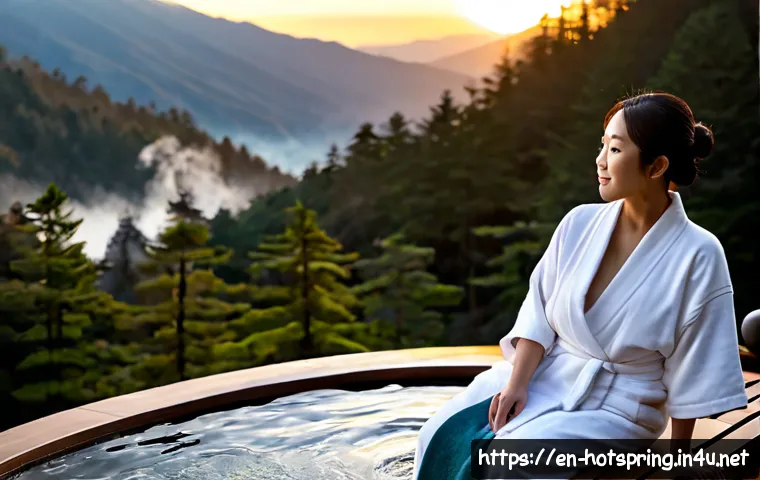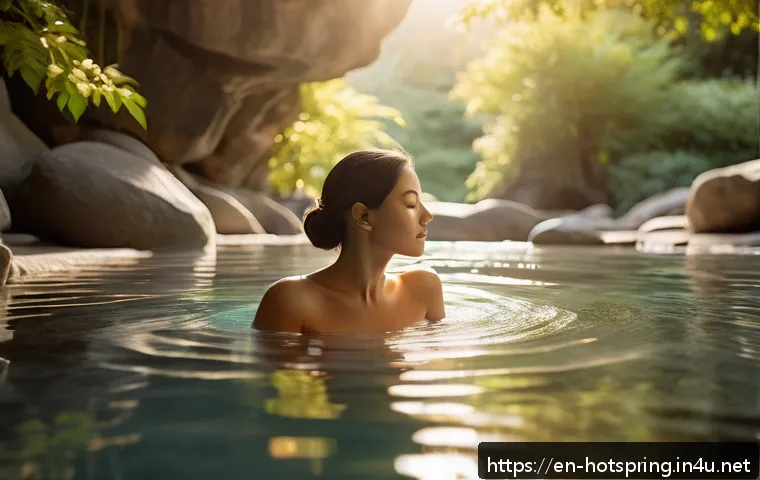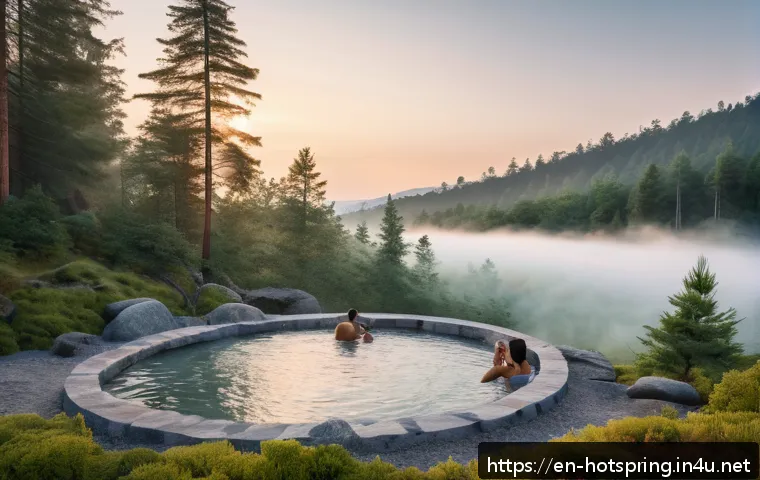
Hey there, fellow wellness enthusiasts! If you’re anything like me, you’re constantly on the hunt for those little secrets that can make a huge difference in your daily life, especially when it comes to something as vital as sleep.
We all know how elusive a truly restful night can feel sometimes, right? I’ve been diving deep into this lately, and something truly fascinating has surfaced in my research and, frankly, in my own weekend unwinding routine: the incredible connection between a good soak in a hot spring and achieving that perfect slumber.
It’s more than just feeling relaxed; there’s some serious science and emerging trends showing how these natural wonders can be a game-changer for our sleep cycles.
Forget counting sheep; imagine a serene evening dip being your ultimate ticket to dreamland! From ancient traditions to modern wellness retreats incorporating hydrotherapy, it seems we might just be rediscovering one of nature’s best sleep aids.
Let’s explore this in detail, and I’ll give you the definitive scoop!
Unlocking Nature’s Deep Sleep Secret
Honestly, who among us hasn’t yearned for that truly restorative sleep? The kind where you wake up feeling like a brand-new person, ready to tackle anything the day throws at you.
For years, I struggled with inconsistent sleep, tossing and turning, trying every trick in the book from herbal teas to complicated nightly routines. It felt like a constant battle against my own brain.
Then, almost by accident during a wellness trip, I stumbled upon a game-changer: the profound impact of hot springs on my sleep cycle. It wasn’t just the immediate relaxation, though that’s certainly a huge part of it.
I noticed a distinct improvement in the *quality* of my sleep – deeper, longer, and more consistent. This isn’t just about feeling cozy; there’s a fascinating blend of ancient wisdom and modern science at play, suggesting that soaking in nature’s warm embrace might just be the most underrated sleep aid out there.
My own weekend getaways often revolve around finding a tranquil hot spring, and I can tell you firsthand, the difference it makes in my Monday morning energy is absolutely remarkable.
It’s like my body remembers the calm, and it translates into more peaceful nights.
The Science Behind the Soothing Soak
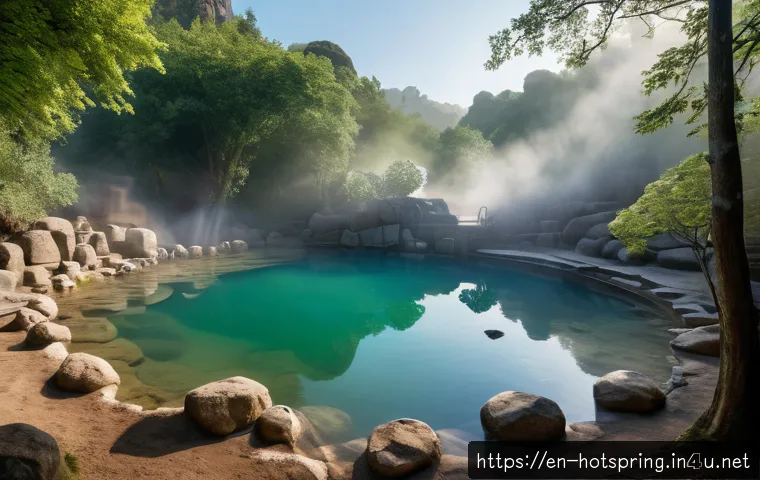
Diving into the warm waters of a hot spring does so much more than just relax your muscles. There’s a whole symphony of physiological responses happening beneath the surface that prime your body for sleep. The warmth causes your blood vessels to dilate, improving circulation and helping your muscles release tension. Think of it as a natural muscle relaxer, but without any of the grogginess. As your body temperature rises during the soak, it then begins to cool down rapidly once you exit the water. This natural cooling process is a crucial signal to your body that it’s time to prepare for sleep. It mimics the natural temperature drop your body experiences as you drift off, essentially giving your internal clock a gentle nudge towards dreamland. I’ve personally felt this effect; after a good 30-minute soak, I find myself feeling pleasantly heavy and ready to unwind, a stark contrast to my usual pre-bed restlessness.
Mind-Body Harmony: Calming the Inner Storm
Beyond the physical, there’s a significant psychological component to the hot spring experience. The serene environment, often surrounded by natural beauty, encourages mindfulness and reduces mental chatter. Away from the distractions of screens and daily stressors, you’re able to truly unplug. The gentle warmth, the feeling of buoyancy, and the quiet surroundings create a meditative state that lowers cortisol levels, the stress hormone. I’ve noticed that even after a particularly hectic week, a visit to a hot spring helps me reset my mental state. It’s not just about forgetting your worries; it’s about actively disengaging from them and allowing your mind to drift into a state of peaceful contemplation, which is an ideal precursor to deep sleep.
Crafting Your Perfect Pre-Sleep Ritual
We all know the importance of a good bedtime routine, but what if we could elevate it to something truly transformative? Integrating hot springs, or even just a very warm bath, into your evening ritual can be a game-changer for sleep quality.
It’s not about rushing; it’s about creating an intentional space for unwinding. I’ve experimented with different timings and durations, and what I’ve consistently found to work best for me is a soak roughly 1-2 hours before I plan to hit the hay.
This gives my body ample time to cool down naturally after the initial warmth, signaling to my brain that it’s time to transition into sleep mode. It’s also crucial to really lean into the experience – no phones, no work talk, just pure, unadulterated relaxation.
Dim the lights if you can, maybe even bring a waterproof speaker for some soft, calming music. This conscious effort to detach from the day’s demands makes all the difference, transforming a simple soak into a profound sleep preparation strategy.
Optimizing Your Soak for Zzz’s
- Timing is Everything: Aim for 60-90 minutes before bed. This allows your core body temperature to rise and then fall, mimicking the natural sleep onset process.
- Stay Hydrated: While soaking, it’s easy to get dehydrated. Keep a bottle of water nearby and sip regularly to avoid headaches or lightheadedness, which can disrupt relaxation.
- Mindful Immersion: Don’t just sit there. Focus on the feeling of the water, the steam, your breath. Let go of the day’s worries and practice being present. This mental quietude is key for transitioning to sleep.
- Post-Soak Wind-Down: After your soak, avoid stimulating activities. Opt for gentle stretching, reading a physical book, or listening to calming music. Keep lights dim to support melatonin production.
Creating a “Home Spa” Alternative
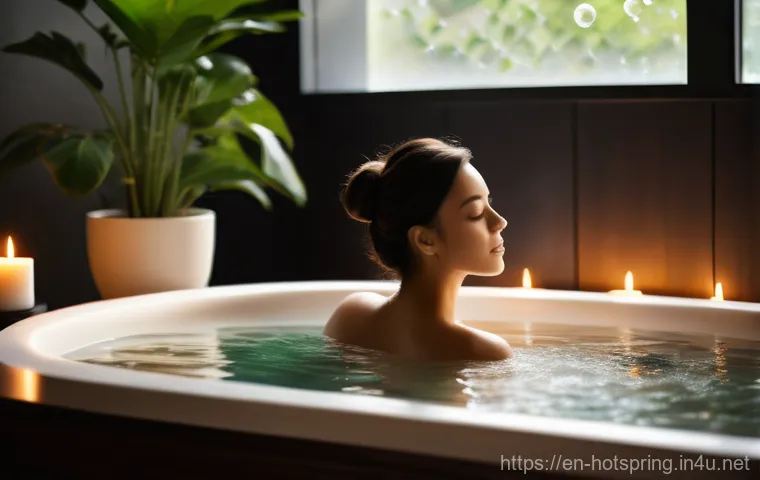
Not everyone has a natural hot spring in their backyard, and trust me, I get that! But the good news is, you can absolutely replicate many of the sleep-inducing benefits of a hot spring right in your own bathroom. I’ve done this countless times when a trip isn’t feasible. The key is to make your regular bath an *experience*. Start by ensuring the water is comfortably hot – not scalding, but warm enough to make you feel enveloped. Add Epsom salts, which are rich in magnesium, known for its muscle-relaxing and sleep-promoting properties. Essential oils like lavender or chamomile can also enhance the calming effect. Turn off overhead lights and light a few candles. Play some soft, ambient music. The goal is to transform your bathroom into a sanctuary, a mini-retreat where you can truly decompress. I personally swear by a good magnesium bath on nights when I need an extra push towards deep sleep, and the results are almost as good as a natural spring.
Beyond Relaxation: The Mineral Magic
It’s not just the heat and the tranquility; the unique mineral composition of natural hot springs plays a significant, albeit often overlooked, role in their therapeutic benefits, including those for sleep.
Different springs boast different mineral profiles, and these tiny dissolved particles are thought to absorb into your skin, potentially offering internal benefits.
For instance, many hot springs are rich in sulfur, calcium, magnesium, and other trace elements. Magnesium, in particular, is a powerhouse for sleep; it helps regulate neurotransmitters that are directly involved in sleep, calms the nervous system, and even aids in melatonin production.
I’ve noticed that after visiting a mineral-rich spring, my overall sense of calm extends far beyond the immediate post-soak period. It feels like my body has been deeply nourished, and that internal balance definitely contributes to more restful nights.
Key Minerals and Their Sleep Benefits
Let’s break down some of the star players found in hot spring waters and how they can contribute to your best sleep ever. Understanding what’s in the water can help you appreciate the depth of its benefits. I often research the mineral content of springs before I visit, just to know what kind of natural goodness I’m soaking in!
| Mineral | Common Benefits | Impact on Sleep |
|---|---|---|
| Magnesium | Muscle relaxation, nerve function, energy production | Calms nervous system, aids melatonin production, reduces restless leg syndrome |
| Sulfur | Skin health, detoxification, anti-inflammatory | Reduces pain and inflammation that can disrupt sleep, supports overall well-being |
| Calcium | Bone health, muscle contraction, hormone secretion | Helps the brain use tryptophan to create melatonin, a sleep-inducing hormone |
| Lithium | Mood stabilization, stress reduction | Promotes a sense of calm, reduces anxiety, which often interferes with sleep |
| Sodium Bicarbonate | Skin softening, detoxification | Creates a soothing sensation, contributes to overall relaxation and comfort |
When to Seek Out Specific Mineral Springs
While any warm soak can be beneficial, if you’re targeting specific issues that impact your sleep, you might consider seeking out springs known for certain mineral concentrations. For example, if you often experience muscle aches or restless legs, a magnesium-rich spring could be particularly effective. For those dealing with stress and anxiety, springs containing lithium or a balanced blend of calming minerals might offer more profound relief. I’ve personally found that when I’m feeling particularly rundown, a soak in a high-sulfur spring seems to rejuvenate my entire system, setting me up for a truly restorative night. It’s about becoming attuned to your body’s needs and understanding how nature’s pharmacy can provide targeted support.
Embracing the Ritual: From Ancient Wisdom to Modern Wellness
It’s fascinating to see how the wisdom of ancient cultures, who revered hot springs for their healing properties, is now being echoed by modern wellness trends.
For millennia, people have sought out these natural wonders not just for cleanliness but for therapy, healing, and spiritual rejuvenation. Roman baths, Japanese onsens, and Native American sweat lodges all share a common thread: the recognition of water’s power to restore balance.
Today, we’re seeing an incredible resurgence of interest in hydrotherapy and thermal tourism as a legitimate pathway to better health and, specifically, better sleep.
It’s not just a quaint tradition; it’s a science-backed practice that sophisticated wellness retreats are incorporating into their programs for deep relaxation and improved sleep architecture.
I recently visited a spa that had incorporated mineral-rich baths into their evening “sleep journey” program, and the meticulous attention to detail, from ambient lighting to guided meditations, truly amplified the benefits I’d always experienced on my own.
Historical Roots of Thermal Therapy
From the grandeur of ancient Roman bathhouses, which served as social hubs and centers for healing, to the serene, spiritual rituals of traditional Japanese onsens, hot springs have always been more than just warm pools of water. They were considered sacred sites, places where the body and spirit could be cleansed and rejuvenated. My favorite aspect of studying these ancient practices is realizing that people thousands of years ago instinctively understood the profound connection between these waters and overall well-being, including the ability to find peaceful rest. They didn’t have scientific studies on melatonin, but they knew a good soak made you sleep better. This enduring legacy speaks volumes about the intrinsic power of these natural resources, a power we are fortunately rediscovering in our fast-paced modern lives.
The Modern Wellness Revolution
Today, the wellness industry has truly embraced the therapeutic potential of hot springs. From bespoke thermal resorts to urban bathhouses, the focus is on creating holistic experiences that promote deep relaxation and restorative sleep. These establishments often combine the natural benefits of thermal waters with other sleep-enhancing modalities like aromatherapy, sound baths, and specialized massage techniques. I’ve witnessed firsthand how these curated experiences can elevate a simple soak into a profound journey towards better sleep. They understand that it’s about creating an entire environment conducive to unwinding, a stark contrast to our always-on digital world. It’s a testament to the timeless appeal and undeniable efficacy of these natural healers, now refined for the modern seeker of serenity.
The Post-Soak Glow: Extending the Benefits
The magic of a hot spring soak doesn’t simply vanish the moment you step out of the water. In fact, what you do immediately afterward can significantly prolong and deepen the sleep-inducing benefits you’ve just experienced.
Think of it as nurturing that initial state of calm. Directly after exiting the warm water, your body is in a prime state for continued relaxation. This is *not* the time to jump back into your emails or scroll through social media.
Instead, I always make sure to transition into a gentle wind-down phase. Slipping into soft, comfortable clothing, perhaps a plush robe, and settling into a quiet space with dim lighting is key.
This helps maintain the lowered cortisol levels and encourages your body’s natural melatonin production to kick in, gently guiding you toward a truly restful night.
It’s about respecting the process and allowing your body to continue its journey toward sleep.
Nourishing Your Body for Deeper Rest
Post-soak, focusing on gentle nourishment can further enhance your journey to dreamland. I usually opt for a light, easily digestible snack, or even just a warm, herbal tea. Think chamomile or valerian root tea – something that’s known for its calming properties. Heavy meals or sugary treats can counteract the relaxing effects of the soak and disrupt your digestive system, making sleep more elusive. Hydration also remains paramount. Your body has been working to regulate its temperature, so replenishing fluids with plain water or electrolyte-rich drinks is a smart move. I’ve found that a simple routine of a warm herbal tea and a few moments of quiet reflection after my soak helps me maintain that serene feeling all the way until my head hits the pillow.
Creating Your Sleep Sanctuary
Your environment after the soak is just as important as the soak itself. This is where you create your personal sleep sanctuary. Ensure your bedroom is dark, cool, and quiet. Blackout curtains, a comfortable mattress, and soft, breathable linens are your allies here. Avoid bright screens (phones, tablets, TVs) for at least an hour before bed. Instead, pick up a physical book, listen to a calming podcast, or simply lie there and practice some deep breathing exercises. The goal is to minimize any external stimuli that could jolt your system back into alertness. For me, a freshly made bed and a completely dark room after a hot spring soak feels like the ultimate luxury, an invitation to the deepest, most rejuvenating sleep imaginable.
Maximizing the Mood Boost: Hot Springs and Mental Wellness
Beyond just sleep, the profound sense of peace and uplifted mood you get from a hot spring soak is a huge contributor to overall mental wellness, which, of course, then cycles back into better sleep.
I can personally attest to the almost immediate mood shift that happens when I submerge myself in warm, mineral-rich waters. It’s like a reset button for my mind.
The combination of heat, buoyancy, and often, the natural beauty of the surroundings, works wonders on stress and anxiety. It’s not just a temporary escape; I’ve found that the lingering feeling of calm and contentment can last for hours, even days, after a good soak.
This sustained positive mood reduces the mental chatter and worries that so often plague us when we’re trying to fall asleep, making the transition to dreamland much smoother and more inviting.
It’s truly a holistic experience, where every benefit reinforces another.
The Serotonin Connection
There’s a growing body of research suggesting that thermal bathing can influence neurotransmitters like serotonin, often dubbed the “feel-good” hormone. When you immerse yourself in warm water, especially in a serene setting, your body responds by releasing endorphins, those natural mood elevators. This, coupled with the reduction in stress hormones like cortisol, creates an optimal environment for serotonin production. A healthy level of serotonin not only improves mood during the day but also plays a critical role in the production of melatonin at night. So, in a way, that mood boost you feel during and after your soak isn’t just making you feel happier; it’s actively preparing your brain for a more restful sleep later on. I always feel a distinct lift in my spirits after a soak, and knowing there’s a scientific reason behind it only makes me appreciate the experience more.
Building Resilience Against Stress
Regular engagement with hot spring therapy can also help build your body’s resilience to stress over time. It’s like training your nervous system to more effectively shift from a “fight or flight” response to a “rest and digest” state. By consistently providing your body with moments of profound relaxation, you’re essentially teaching it how to better cope with daily pressures. This improved stress management means less adrenaline and cortisol coursing through your veins come bedtime, which is a major victory for anyone who struggles with sleep. I’ve noticed that on weeks where I’ve managed to fit in a hot spring visit, my overall reactivity to stressful situations is significantly lower, and that calm carries directly into more peaceful evenings.
Concluding Thoughts
And there you have it, friends! My deep dive into why hot springs aren’t just a luxurious treat but a powerful, natural ally in the quest for truly restorative sleep.
It’s been a personal journey for me, discovering how these warm, mineral-rich waters can transform my nightly rest from a restless struggle into a profound period of rejuvenation.
If you’re anything like I used to be, constantly searching for that elusive good night’s sleep, I genuinely encourage you to explore the magic of thermal bathing.
It’s more than just an escape; it’s an investment in your well-being, a simple yet profound way to reconnect with your body and mind, and pave the way for sweeter dreams.
Trust me, your future well-rested self will thank you for it!
Useful Information to Know
1. Always check the temperature and mineral content of any hot spring before you go. Different springs offer different benefits, and knowing what you’re stepping into can help you tailor your experience for optimal results, whether it’s for muscle relaxation or deeper calm.
2. Hydration is absolutely key! While soaking feels amazing, the warmth can be dehydrating. Make sure to drink plenty of water before, during (if allowed), and after your soak to avoid feeling lightheaded and ensure your body reaps all the benefits.
3. Plan your post-soak wind-down. The calm you feel after leaving the water is precious. Avoid screens and stimulating activities. Instead, opt for a quiet space, dim lights, and perhaps a good book or some calming music to ease your transition into sleep.
4. If a natural hot spring isn’t accessible, don’t despair! You can create a fantastic home spa experience. A hot bath with Epsom salts, essential oils like lavender, and a focus on mindfulness can provide many similar sleep-enhancing benefits.
5. Consider combining your soak with other relaxation techniques. Gentle stretching, meditation, or deep breathing exercises before or after your dip can amplify the calming effects, preparing your body and mind even further for a night of deep, undisturbed sleep.
Key Takeaways
Embracing hot springs is a holistic approach to enhancing sleep, leveraging both physical and mental benefits. The warmth primes your body for sleep by influencing temperature regulation, while the serene environment and mineral properties soothe your mind and nervous system.
Integrating this ancient practice into your modern wellness routine, whether through natural springs or home alternatives, offers a powerful, natural pathway to profound relaxation, reduced stress, and ultimately, a more restorative night’s sleep.
Frequently Asked Questions (FAQ) 📖
Q: What’s the real science behind hot springs helping us sleep better?
A: Oh, this is such a great question, and it’s where the magic really happens! When I first started exploring this, I was honestly just looking for a good way to relax, but what I stumbled upon was a beautiful symphony of physiological responses that genuinely set the stage for a fantastic night’s sleep.
From what I’ve learned and, more importantly, felt myself, it boils down to a few key things that are absolute game-changers for your sleep cycle. First off, there’s the core body temperature regulation.
Think about it: when you step into that wonderfully warm water, your body temperature naturally rises. But here’s the trick – when you step out of the spring and your body starts to cool down, that drop in temperature signals to your brain that it’s time to release melatonin, our natural sleep hormone.
It’s like a gentle, natural nudge towards slumber, telling your body, “Hey, it’s winding down time!” I’ve personally noticed that after a good soak, I feel this profound sense of calm as my body gradually cools, and that’s when sleep just seems to effortlessly take over.
Then, you can’t overlook the sheer physical and mental relaxation. The buoyancy of the water takes the pressure off your joints and muscles, which, let’s be real, are often carrying a lot of tension from our daily grind.
And the warmth? It just melts away stress! For me, those moments floating in the mineral-rich waters are like hitting a reset button on my nervous system.
It’s an almost meditative experience, quieting the constant chatter in my mind and helping me transition from a busy day to a peaceful evening. It’s not just about feeling good in the moment; it’s about shifting your entire physiological state from “go-go-go” to “ahhh, rest.”And let’s not forget the minerals!
Depending on the hot spring, you’re often soaking in waters rich in magnesium, sulfur, and other beneficial elements. While the research is still evolving on how much of these our skin truly absorbs, many people, myself included, report feeling a deeper sense of relaxation and well-being, which certainly contributes to better sleep.
It’s like a natural, full-body hug that prepares you perfectly for dreamland. Trust me, once you experience this unique combination, you’ll totally understand why it’s so effective!
Q: How can I best incorporate a hot spring soak into my routine for optimal sleep benefits?
A: Ah, now we’re getting into the practical stuff! Knowing how to use hot springs for sleep is just as important as knowing why they work. Over the years, and through a fair bit of trial and error (and some absolutely blissful evenings!), I’ve figured out a few golden rules that can really amplify those sleep-inducing effects.
My biggest takeaway? Timing is everything. For me, the sweet spot is definitely in the late afternoon or early evening, roughly 1-2 hours before you plan to hit the hay.
This gives your body ample time to go through that crucial cooling-down phase I mentioned earlier, which is your natural melatonin trigger. If you soak too close to bedtime, your core temperature might still be elevated, potentially working against you.
So, aim for that gentle cool-down period. Next, consider the duration. While it might be tempting to stay in for hours, for sleep benefits, a shorter, more intentional soak is often better.
I usually aim for about 20-30 minutes. This is enough time for your muscles to relax and your body temperature to rise sufficiently without over-exerting yourself or becoming dehydrated.
Listen to your body, though; everyone is a little different! And here’s a pro tip that’s been a game-changer for me: create a wind-down ritual after your soak.
Once you’re out of the spring, wrap yourself in a cozy towel or robe, maybe sip on some herbal tea (chamomile or lavender are my faves!), and absolutely avoid bright screens.
Keep the lights dim, perhaps read a good old-fashioned book, or just sit quietly and reflect. This post-soak period is crucial for maintaining that state of relaxation and signaling to your brain that it’s time to transition into sleep mode.
Think of it as extending that serene hot spring vibe right into your bedroom.
Q: Are there any specific things I should keep in mind or potential drawbacks when using hot springs for sleep?
A: That’s a super responsible question, and I’m so glad you asked it! While hot springs are generally fantastic for wellness and sleep, it’s always smart to be mindful of a few things to ensure your experience is safe and truly beneficial.
After all, we want pure bliss, not any unexpected hiccups, right? First and foremost, hydration is key. You’ll be sweating a bit in the hot water, so it’s super important to drink plenty of water before, during (if possible, in moderation), and especially after your soak.
Dehydration can actually disrupt sleep, so counteracting that is vital. I always bring a big bottle of water with me and make sure to refill it. Also, be mindful of any existing health conditions.
If you have heart issues, high blood pressure, are pregnant, or have any other significant medical concerns, it’s absolutely essential to chat with your doctor before diving into hot springs.
They can give you personalized advice to make sure it’s a safe choice for you. Better safe than sorry, always! And here’s one from my own experience: avoid alcohol.
While a glass of wine might feel relaxing in the moment, alcohol actually interferes with your sleep quality, especially the deeper, more restorative stages.
If your goal is truly better sleep, skip the booze before and during your soak. Similarly, try to steer clear of heavy meals right before, as your body will be working to digest, which isn’t conducive to relaxation.
Lastly, and this might sound obvious, but always be aware of your surroundings and any local guidelines. Hot springs vary widely, and respecting the natural environment and any specific rules of the establishment ensures a great experience for everyone.
So, just be smart, listen to your body, and prioritize your well-being, and you’ll be well on your way to leveraging hot springs for the best sleep of your life!