Hot springs may support relaxation, sleep, and short-term relief of muscle soreness, but they do not “flush toxins” from the body. Learn what to expect, who should be cautious, and how to compare day passes, facilities, and wellness packages.
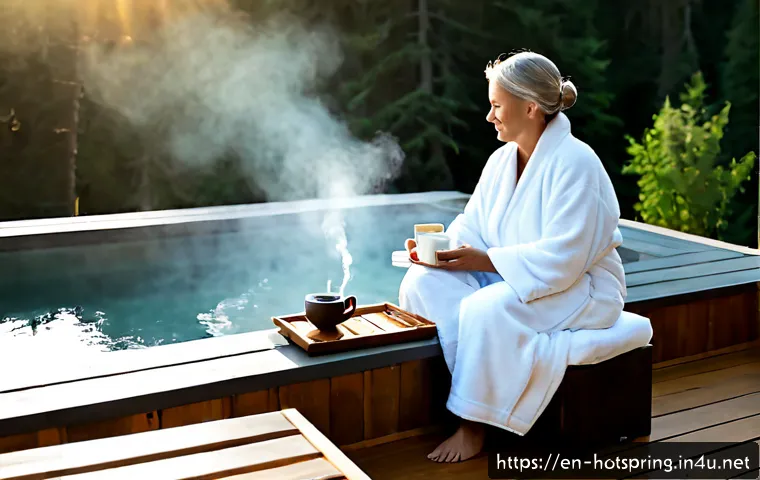
Hot springs can be restorative for relaxation and may temporarily ease muscle stiffness or joint discomfort, but they do not reliably “detox” the body. Your liver, kidneys, lungs, and digestive system—not sweat—do the primary work of processing and eliminating waste products.
A thermal spa visit can still be worth booking when your goal is a calming break, warmth after travel, or a comfortable recovery-focused experience. The best option depends on the full cost, water temperature, privacy level, hygiene practices, and how well the facility fits your health needs. A low entry price may not include private bathing, treatments, lockers, robes, transport, or lodging. If a resort heavily promotes detox claims, treat that as marketing rather than a medical reason to book. For many travelers, comparing a day pass, private bath, and overnight thermal hotel makes the decision much clearer.
At a Glance
- Hot springs can support relaxation and comfort, but “detox” should not be the reason to book.
- Compare the total visit cost, not only the advertised spa day pass or entry fee.
- Heat safety matters: take breaks, drink fluids, avoid alcohol, and seek individualized guidance when health concerns apply.
| Option | Best For | Often Included | Common Extra-Cost Categories |
|---|---|---|---|
| Public thermal pools | Budget-minded travelers and short visits | Shared pools and basic changing access | Lockers, robes, parking, food, premium areas |
| Private baths | Privacy-focused visitors and couples | Reserved soaking space for a set period | Extended time, premium rooms, refreshments, treatments |
| Full-service spa resorts | Travelers wanting pools plus wellness services | Selected facilities or a package of services | Massages, treatments, dining, service charges, transport |
| Overnight thermal hotels | Guests combining lodging and spa time | Accommodation and some thermal access | Upgraded bathing areas, meals, treatments, local travel |
What a Hot Spring Visit Can—and Cannot—Do for Your Body
Why “Detox” Is Not a Reliable Reason to Book
A hot spring can make you sweat, but sweating mainly helps regulate body temperature. It is not established as a meaningful method for removing most environmental toxins. The body already has primary systems for handling waste products: the liver, kidneys, lungs, and digestive system.
That does not make a thermal spa day pointless. It simply means a booking decision should be based on realistic expectations: comfort, quiet time, warm-water relaxation, and the kind of travel experience you want. Be cautious when a resort presents detox language as a specific medical outcome. Whether a particular spring’s minerals provide a medical benefit requires confirmation, not assumption.
Realistic Benefits: Relaxation, Warmth, and Recovery Comfort
Warm-water soaking can promote relaxation and may temporarily ease muscle stiffness or joint discomfort for some people. After a long flight, a hiking day, or hours of walking through a city, a short soak may feel especially welcome. A peaceful setting, private bath, or well-run thermal hotel can also make the experience feel more restorative than a standard pool visit.
Still, individual results vary. A thermal bath is not a guaranteed solution for soreness, poor sleep, or ongoing discomfort. Think of it as a wellness travel activity, not a treatment plan.
When Symptoms Need Medical Care Instead of a Spa Visit
Do not use a hot spring visit to self-manage symptoms that concern you or are getting worse. Persistent pain, unusual weakness, dizziness, chest discomfort, or other significant symptoms deserve appropriate medical attention. A spa package may be relaxing, but it is not a substitute for individualized care.
Compare Hot Spring Options Before Paying for a Visit
Public Thermal Pools vs. Private Baths vs. Full-Service Spa Resorts
Public thermal pools usually suit travelers who want a straightforward soak and do not need privacy. They can be practical for a short itinerary, but crowd levels, quiet areas, and changing arrangements vary by facility.
Private baths are better when privacy is central to the experience. They may suit couples, families, or visitors who prefer a quieter setting. Confirm the booking length, whether the bath is indoors or outdoors, and whether the room is cleaned between reservations.
Full-service spa resorts add amenities such as relaxation spaces, treatment rooms, dining, and sometimes multiple pool areas. They can offer a more complete wellness escape, although their advertised entry price may not cover every part of the visit.
What a Day Pass May Include—and What Often Costs Extra
A spa day pass may cover basic facility access, but details differ. Before purchasing, check what is included in writing: shared pools, sauna areas, towels, changing rooms, and the hours you may stay. Then look for separate charges for private soaking, robes, lockers, parking, treatments, meals, lodging, and transport.
A treatment package may also sound comprehensive while excluding admission or requiring a separate reservation. The useful comparison is not “Which pass is cheapest?” but “What will the complete visit cost for the experience I actually want?”
Value Comparison: Short Soak, Treatment Package, or Overnight Stay
A short soak can offer good value when you mainly want warmth and downtime between other travel plans. A treatment package may make more sense if you specifically want spa services and have confirmed every included item. An overnight thermal hotel can be convenient when you want to avoid rushing, but compare the room rate with thermal access, meals, and any separate wellness charges.
For a fair comparison, write down each option’s admission, extras, travel time, cancellation terms, and expected time on site. This keeps a low headline rate from becoming an unexpectedly expensive spa day.
Use Thermal Baths Safely and Comfortably
How Long to Soak and When to Take Breaks
Heat tolerance differs from person to person, and natural thermal water temperatures can vary substantially. Start cautiously, pay attention to how you feel, and take breaks rather than treating a long soak as a goal. Leave the water if you feel dizzy, weak, overheated, or unwell.
Ask the facility about water temperature, pool rules, and whether there are cooler spaces for breaks. This is especially helpful for first-time visitors who are unsure how their body will respond to a hot bath.
Hydration, Alcohol, Meals, and Heat Tolerance
Hot water can contribute to dehydration, dizziness, or fainting, particularly with prolonged exposure, alcohol use, or inadequate fluid intake. Drink fluids, avoid mixing alcohol with hot bathing, and do not ignore early signs that the heat is too much. A relaxed spa day should not become a test of endurance.
If you are planning a meal, drinks, or a long treatment schedule around the soak, leave room for breaks. A simpler itinerary often feels better than moving quickly from one heated activity to another.
Health Conditions and Situations That Require Extra Caution
People who are pregnant or have cardiovascular conditions, low blood pressure, diabetes-related nerve problems, or open wounds may need individualized medical guidance before using hot springs. This is also a reason to verify a facility’s temperature information, hygiene policies, and access arrangements before arrival.

Do not assume that “natural” water is automatically suitable for every person. Conditions, accessibility features, sanitation practices, and contraindications can differ significantly between facilities.
Choose the Right Experience for Your Travel Goal
A Low-Cost Relaxation Stop for a Short Itinerary
Choose a public thermal pool or basic day pass when you want a simple relaxation stop without committing an entire day. Focus on convenient location, clear entry rules, changing facilities, and a water temperature you can tolerate. This option works best when you do not need private space or bundled treatments.
A Quiet Private Soak for Couples or Privacy-Focused Travelers
A private bath is often the better fit when quiet, comfort, and personal space matter more than access to many amenities. Confirm whether the reservation is timed, what bathing supplies are provided, and what happens if your travel schedule changes. Cancellation flexibility matters if weather, transport, or health could affect your plans.
A Resort Stay for Travelers Combining Spa Time With Lodging
An overnight thermal hotel can be a practical choice when the spa is part of the trip rather than a quick stop. It may reduce transport planning and allow more time for rest. Before booking, separate the value of the room from the value of spa access, treatments, dining, and any premium bathing areas.
Common Booking Mistakes That Raise the Total Cost
Ignoring Reservation Requirements and Peak-Time Rules
Some private baths, treatments, and popular time slots may require advance reservations. Do not assume a walk-in day pass guarantees access to every facility area. Check arrival rules, time limits, peak-time restrictions, and cancellation terms before you pay.
Overlooking Add-On Fees for Robes, Lockers, Treatments, or Parking
Extra charges can change the value of a spa resort offer quickly. Review what you need for the visit: a locker, towel or robe, parking, food, treatment access, and transport. If a package has several optional upgrades, price the version you would genuinely use rather than comparing the entry-level offer alone.
Choosing a Facility Without Checking Sanitation and Accessibility Details
Natural thermal waters vary in mineral content, temperature, sanitation practices, and accessibility features. Look for clear facility information on hygiene policies, cleaning procedures, mobility access, changing areas, and assistance options. If information is unclear, contact the facility before making a nonrefundable reservation.
Selection Criteria and Comparison Summary
Choose based on total cost, not the entry price alone. Compare the water temperature with your personal heat tolerance, decide how much privacy you need, review hygiene and accessibility information, and read the reservation and cancellation terms. For a wellness travel package, also separate lodging, treatments, and transport from the base thermal access. Compare total cost, water temperature, hygiene policies, and cancellation flexibility on the official facility page before purchasing a pass or package.
In Closing
Hot springs can be a pleasant part of a wellness-focused trip, especially when the goal is relaxation rather than detoxification. Warm water may offer temporary comfort for stiffness or joint discomfort, but no specific health result is guaranteed. A little planning helps you choose the right level of privacy, amenities, and spending. Most importantly, use heat thoughtfully and let your comfort—not marketing language—guide the visit.
Useful Things to Know
1. Mineral content and water conditions differ from one thermal facility to another.
2. The lowest advertised admission price may not represent the total cost of your day.
3. A short, comfortable soak with breaks may be a better experience than prolonged heat exposure.
4. If you have a health concern, obtain individualized guidance before planning a thermal bath visit.
Important Notes
Information about a specific hot spring’s water quality, crowd levels, accessibility, exact prices, and health restrictions should be verified directly with that facility. Detox claims made by resorts may not be medically supported. This article does not diagnose conditions or predict how any individual will respond to thermal bathing.
Frequently Asked Questions
Q1. Do hot springs actually detox your body?
A1. Hot springs may help you relax and sweat, but sweating is mainly for temperature regulation. It is not established as a meaningful way to remove most environmental toxins. The liver, kidneys, lungs, and digestive system are the body’s primary systems for processing and eliminating waste products.
Q2. How much should I expect to spend on a hot spring day pass or spa package?
A2. Exact pricing varies by facility and should be checked before booking. Compare the advertised entry price with possible separate costs for private bathing, lockers, robes, treatments, parking, meals, lodging, and transport. The total visit cost is the more useful number.
Q3. Are hot springs safe for people with high blood pressure, pregnancy, or heart conditions?
A3. People who are pregnant or have cardiovascular conditions, low blood pressure, diabetes-related nerve problems, or open wounds may need individualized medical guidance before using hot springs. Hot water can contribute to dehydration, dizziness, or fainting, so confirm facility conditions and seek appropriate guidance before visiting.